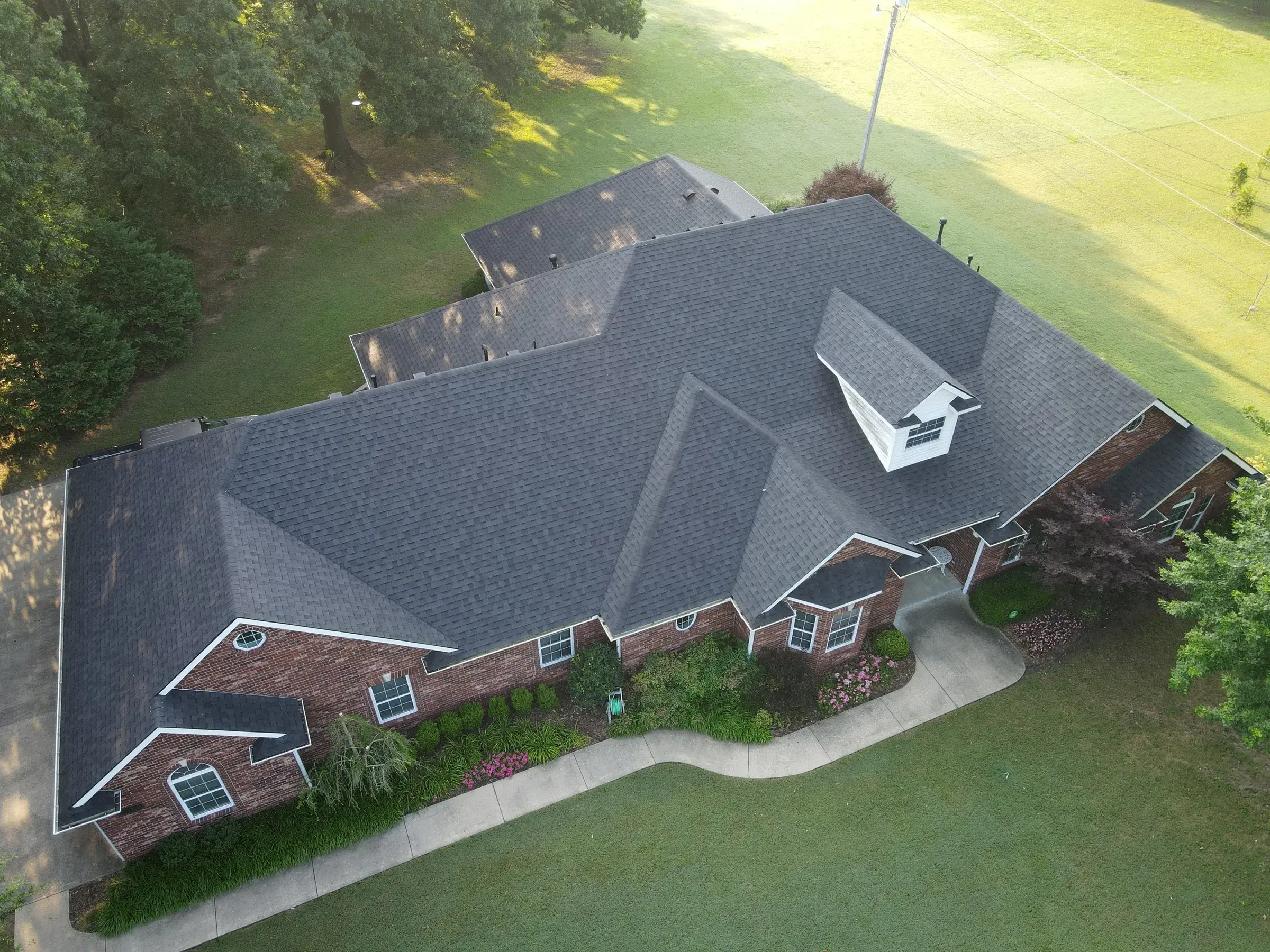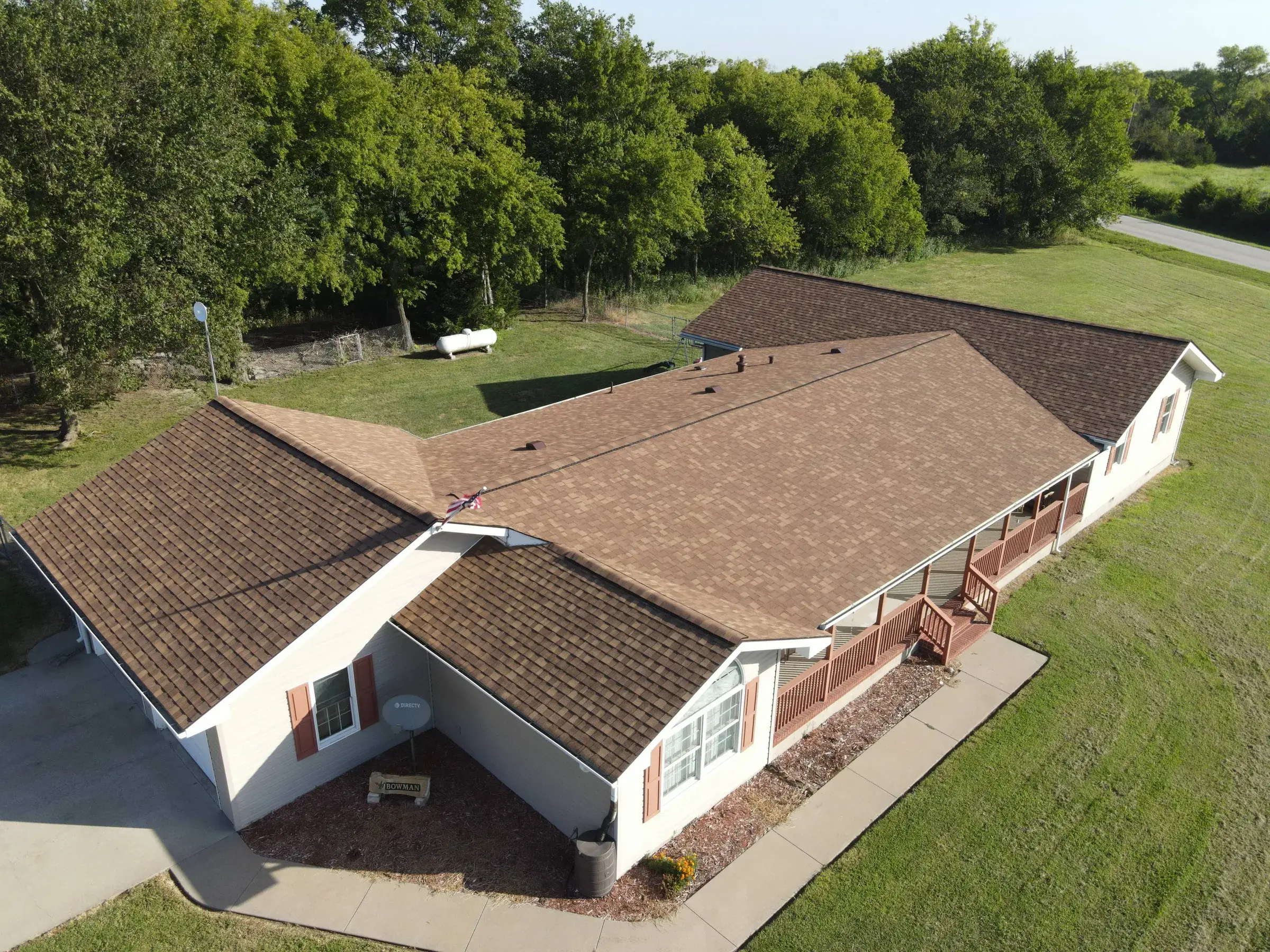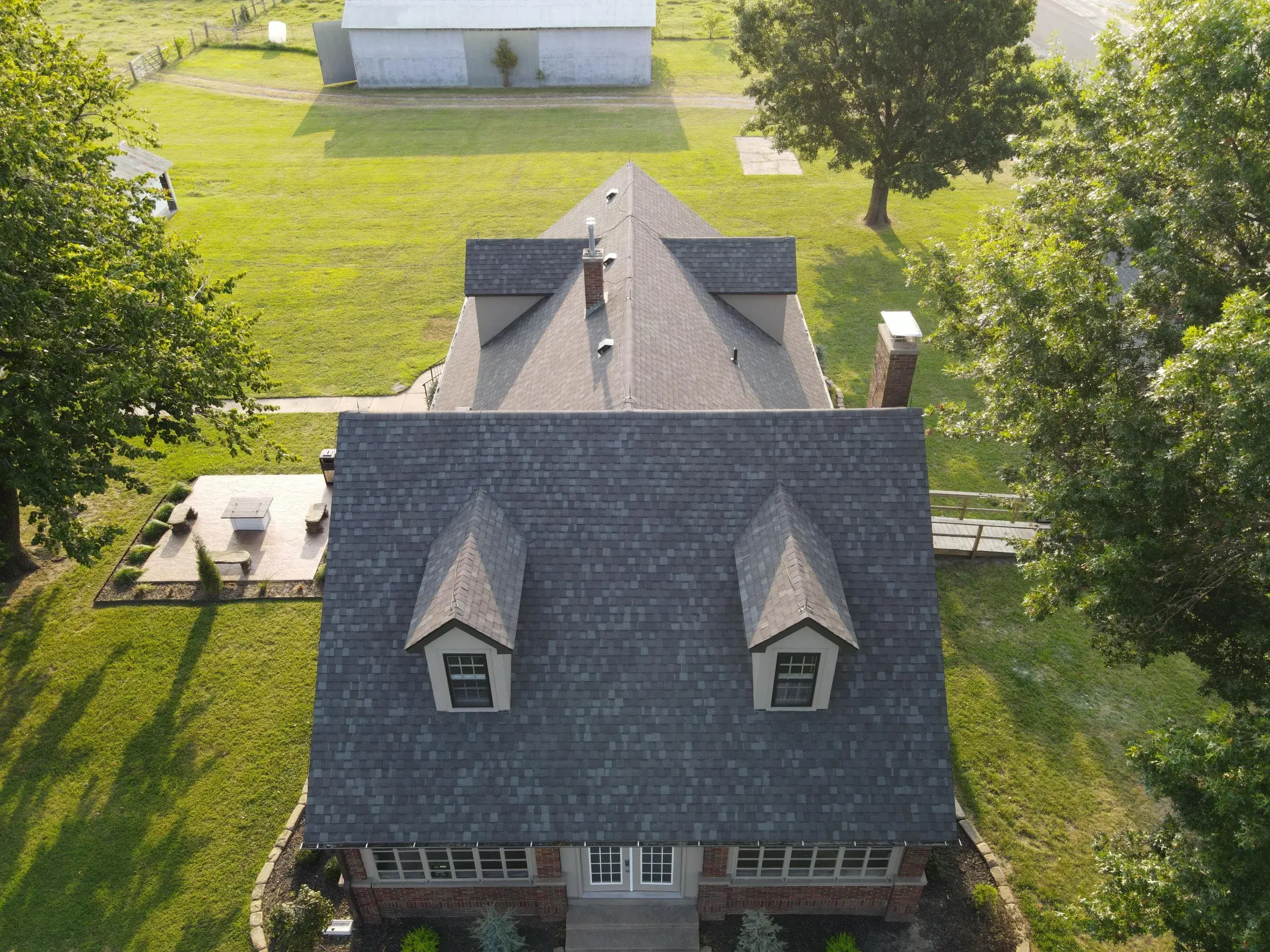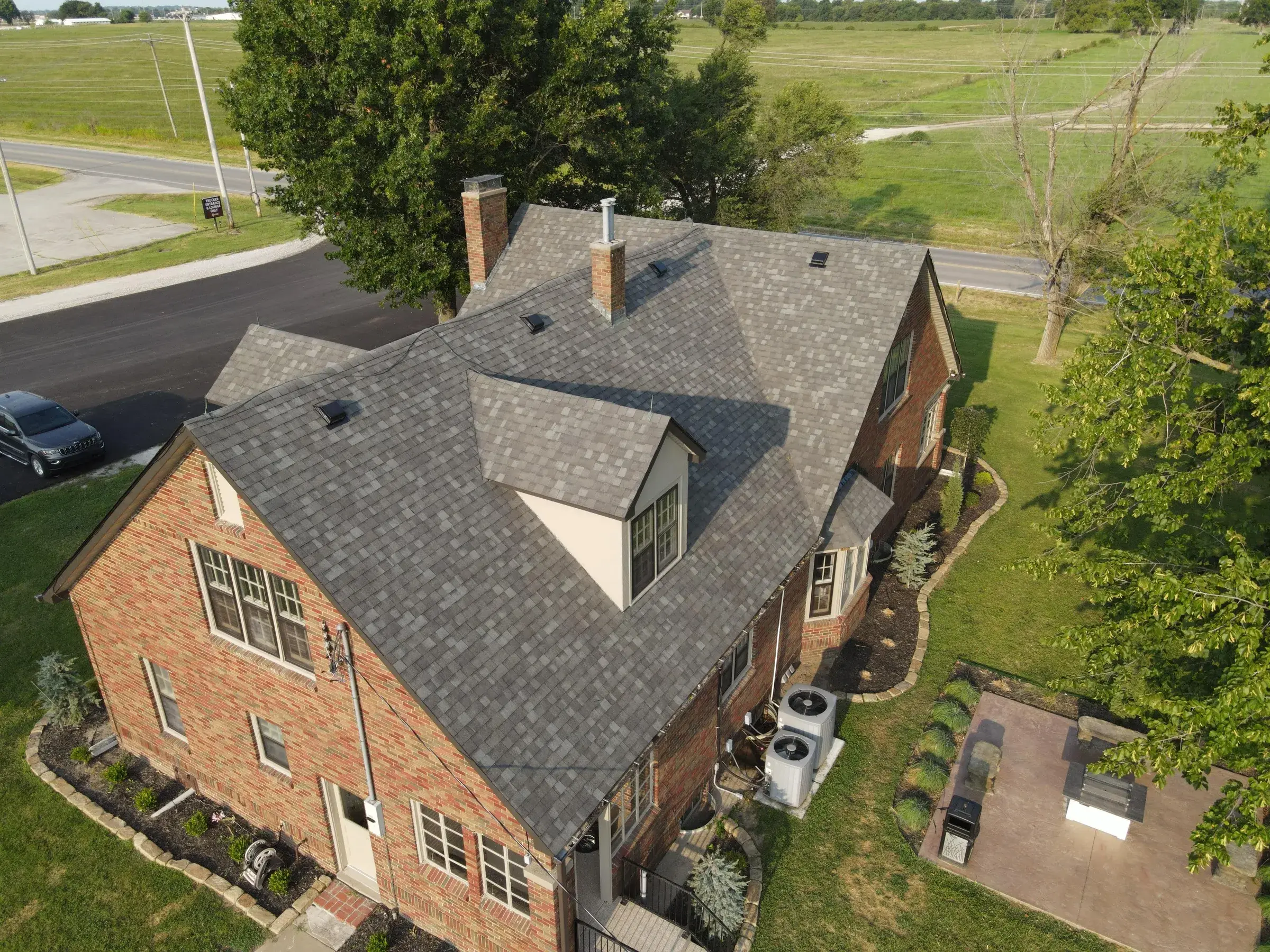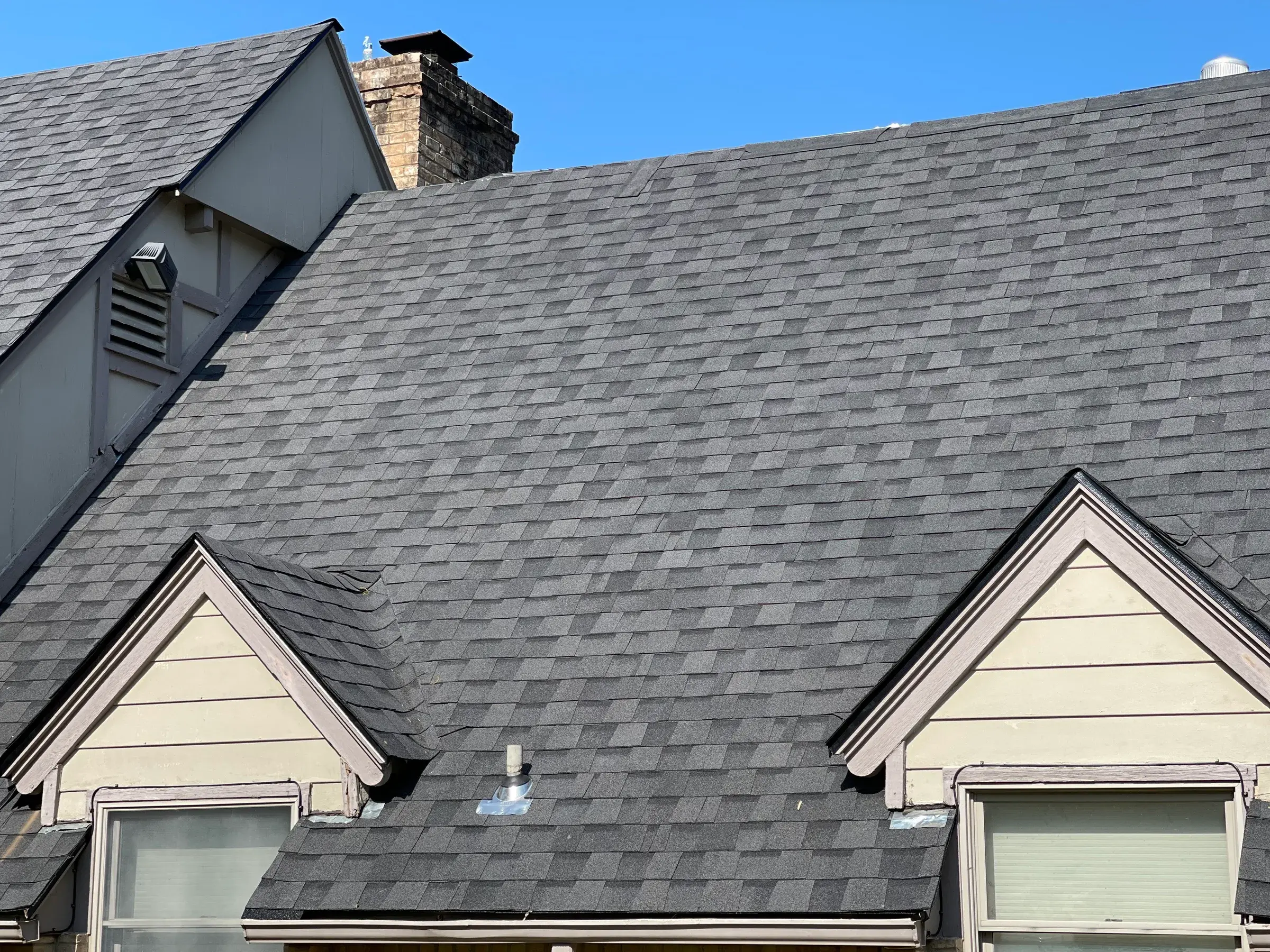
Most homeowners should inspect a roof from the ground with binoculars, not from on top of it. Falls from ladders and roofs are a leading cause of serious home-maintenance injuries. You can check gutters, the attic, and interior ceilings safely yourself; steep pitch, wet or frosted surfaces, and hail-bruised shingles are reasons to stay off entirely.
The honest risk picture: what the fall data actually says
Ladders hurt people at a scale most homeowners would not guess. A study in the American Journal of Preventive Medicine analysed U.S. Consumer Product Safety Commission data from the National Electronic Injury Surveillance System — the CPSC's tracking system for emergency-room visits — and found an average of 136,118 ladder-related injuries treated in U.S. emergency departments every year between 1990 and 2005. That is roughly 2.18 million people over the study period.
The detail that matters most for you: of the cases where the location was recorded, 97.3% happened in non-occupational settings. Homes and farms. Not job sites. These are not roofers falling. These are people cleaning their own gutters. About one in ten of those injuries ended in hospitalisation or transfer to another facility, which is roughly double the rate for consumer-product injuries generally. When a ladder goes wrong, it tends to go properly wrong.
OSHA is blunt on the professional side too: falls are the leading cause of death in construction. That is with harnesses, training, and daily practice. A homeowner who goes up a ladder twice a year has none of those advantages, and the honest conclusion is not that roofers are braver. It is that the task carries real risk and professionals have spent years reducing it.
So the useful question is not "can I get up there?" Most people physically can. The question is what you actually gain by doing it — and the answer, most of the time, is very little that you could not have seen from your driveway.
| Task | Verdict | Why |
|---|---|---|
| Scanning the roof through binoculars from the yard | Green — do it yourself | No height, no ladder, and it catches the majority of what matters. |
| Attic inspection from inside the house | Green | You're standing on your own joists. The single most informative thing a homeowner can do. |
| Checking top-floor ceilings, closets and wall-ceiling joints for stains | Green | Leaks announce themselves indoors long before they're visible from outside. |
| Photographing dents in gutters, downspouts and vent caps from the ground | Green | Soft metal shows hail before shingles do. It's the best evidence at eye level. |
| Clearing gutters from a ladder, single storey, level ground | Yellow — be careful | Ladder work is where nearly all of the injuries start. Setup is everything. |
| Ladder to the eave to look along the roof, without stepping onto it | Yellow | Acceptable if the setup is right. The moment you transfer onto the roof, it turns red. |
| Walking a low-slope roof to inspect it | Yellow at best | You will scuff shingles. Ask whether the look is worth the wear. |
| Walking any roof after a hailstorm | Red — do not | You can crush the exact evidence you're trying to find, and loose granules act like ball bearings. |
| Any roof that's wet, dewy, frosted, mossy, or in wind | Red | Traction is gone. Frost is often invisible from below. |
| Metal roofs, wood shake, or a mobile/manufactured home roof | Red | Slick, brittle, or never engineered to carry your weight. |
| Roofs steeper than about 6:12, or anything above one storey | Red | Past a certain pitch, a slip has no recovery point. |
| Tarping storm damage yourself | Red | Emergency tarping means working on a compromised roof, often in bad weather. That's the definition of a job to hand off. |
What you can learn from the ground with binoculars and a phone camera
A decent pair of binoculars — 8x42 or 10x42 is plenty — will show you a shingle's surface from forty feet away in more detail than your eyes would resolve standing on it. Walk the full perimeter of the house. Do it slowly, one slope at a time, and look at the roof in bands rather than trying to take in the whole plane at once.
Start with the metal, not the shingles. Gutters, downspouts, drip edge, furnace and plumbing vent caps, and any metal flashing are softer than a shingle and register hail impacts first. A gutter face stippled with small dents tells you hail arrived with enough energy to matter, even when the shingles still look fine from below. The Oklahoma Climatological Survey puts northeast Oklahoma at four to five days a year with hail larger than three-quarters of an inch, so this is not a rare check — it's a seasonal one.
The phone camera trick
Your phone's zoom is worse than your binoculars but it has one advantage: it remembers. Stand at the same four or five spots each time — the corners of the lot and the ends of the driveway work well — and take the same photos. Note the date. Next season, shoot from the same marks. Change is far easier to see than damage. A dark patch that wasn't there in April is a real finding; a dark patch you've never compared to anything is a guess.
Where you live in Ottawa County shifts what you'll find. East of Miami, out toward the Ozark Plains, roofs sit under trees — expect moss and algae on north-facing slopes, limbs resting on shingles, and gutters packed with leaf litter. West, on the Neosho Lowlands, the ground opens up and the wind has an unobstructed run at you, so lifted shingle tabs and ridge-cap damage along the windward edge are the likelier story.
Ground-level inspection: what to look for
- Dents or dimples in gutter faces, downspouts, drip edge and vent caps — the earliest honest hail evidence you can see from the ground.
- Shingle granules collecting in gutter troughs or washing out at the downspout outlet. A handful after a new roof is normal; a steady accumulation on an older roof is not.
- Dark or shiny patches where granules are gone, exposing the asphalt mat underneath.
- Shingle tabs that are lifted, curled at the corners, or visibly out of line with their neighbours.
- Missing shingles — look hardest along ridges, hips and rake edges, where wind gets underneath.
- A ridge line that dips, waves, or is no longer straight when you sight along it. That's a structural finding, not a shingle finding.
- Flashing at chimneys, walls and skylights that has pulled away, lifted, or shows a bright unweathered edge.
- Plumbing vent boots — the rubber collars around pipes. Cracked or split rubber is one of the most common leak sources on any roof.
- Moss or heavy algae staining, especially on shaded north slopes under trees.
- Limbs touching or overhanging the roof surface.
- Sagging gutters, or gutters pulling away from the fascia.
- Debris on the roof itself — piles in valleys hold moisture against the shingles.
The attic inspection: the safest, most informative thing a homeowner can do
If you do one thing on this page, do this one. The attic tells you what the roof surface won't, it costs nothing, and you are standing inside your own house the entire time. Go up on a bright day and leave the lights off for a minute so your eyes adjust. Bring a torch anyway. Step only on the joists or on decked walkways — never on the insulation between them, because there's nothing under it but your ceiling.
You are reading the underside of the roof deck like a page. Daylight coming through means a hole. Dark streaks running down the sheathing are water tracks. Rusted nail shanks mean moisture has been condensing on them repeatedly, which is a ventilation problem more often than a leak.
Attic-only homeowner checklist
- Daylight visible through the roof deck, around vent penetrations, or at the eaves where they meet the wall.
- Dark staining or streaking on the underside of the sheathing, especially running downhill from a nail or seam.
- Wet, compressed, or matted insulation — water finds it and it stays wet long after the leak stopped.
- Rusted or darkened nail shanks poking through the deck.
- Frost or condensation droplets on the underside of the deck in cold weather.
- Mould or a persistent musty, earthy smell.
- Soffit vents blocked by insulation that's been pushed into the eaves.
- A bathroom or kitchen exhaust fan venting into the attic instead of out through the roof or wall.
- Sagging or spongy-looking sheathing between the rafters.
- Any daylight or gap around the chimney chase.
Interior signs that tell you about the roof
Ceiling stains are the classic sign, and the classic mistake is assuming the stain sits under the hole. It usually doesn't. Water enters at a penetration, runs along the top of a rafter or the underside of the deck — sometimes ten or fifteen feet — and drops at the first low point it finds. A stain in the middle of a bedroom ceiling can originate at a chimney on the other side of the attic. This is exactly why the attic inspection beats the ground inspection for diagnosis: upstairs you can follow the track back to its start.
A stain with a defined brown ring around it has dried at least once, which means the leak is intermittent — often tied to wind direction or to ice at the eaves rather than to plain rain. Other things worth noticing: nail pops in top-floor ceiling drywall, paint peeling or blistering near the wall-ceiling joint, a musty smell in a closet that shares a wall with the attic, and stains that appear specifically around a chimney, skylight or bathroom fan. That last group almost always points at flashing — the metal that ties the roof into something that isn't roof — rather than at the shingles.
Ladder basics if you must
Sometimes you're going up anyway — to clear a gutter, or to look along an eave. If so, the setup is where the risk lives, and OSHA's portable ladder rules are the clearest free guidance available. They were written for job sites, but physics does not check your employment status.
| Setting | The number | What that means in your driveway |
|---|---|---|
| Angle | 4:1 — one foot out from the wall for every four feet of working height | Ladder touching the eave at 16 feet? The base belongs 4 feet from the wall. Too steep and it tips back; too shallow and the feet slide out. This is the one people get wrong most. |
| Extension above the eave | At least 3 feet of side rail above the roof edge | OSHA requires it because the transfer on and off is the dangerous moment. You need something to hold at chest height. If the ladder can't extend that far, it must be secured at the top with a graspable handhold. |
| Footing | Firm, level ground, both feet fully in contact | Soft ground after rain, gravel drives and lawns are all suspect. Never shim with a board or a brick. If it isn't level, move it. |
| Top support | Tied off to a rigid anchor that won't deflect | An unsecured top rail can slide sideways with no warning. Never rest a ladder on a gutter — it isn't a structural member and it will roll. |
| Climbing | Three points of contact at all times | Two hands and a foot, or two feet and a hand. Which means tools go up in a bucket or a belt, never in your hand. |
| Load | Ladder rated for at least four times the intended load | You plus tools plus what you're carrying down. Check the duty rating sticker. |
| Power lines | No metal ladder anywhere near the service drop | The wire from the pole to your house is the one people forget. Look up before you raise the ladder, every single time. |
Have someone else in the yard. Not to hold the ladder — to notice if something goes wrong. That is worth more than any piece of gear you can buy. And if you're going up for gutters specifically, our note on how often to clean gutters in northeast Oklahoma covers whether the trip is even necessary this month, which is a better safety intervention than a perfect ladder setup on an unnecessary climb.
Conditions that should keep you off the roof, no exceptions
- Any moisture at all — rain, dew, or frost. Morning dew on asphalt shingles is genuinely slick and it's often invisible from the ground.
- Frost. On a lot of those 89 sub-freezing nights, a roof holds frost in shade well after the lawn has cleared.
- Wind. You cannot brace against a gust you didn't hear coming, and a ladder in wind is its own hazard.
- Heat. The Oklahoma Climatological Survey puts Miami at 57 days a year above 90°F, with an August daily maximum normal of 91.5°F. ARMA — the Asphalt Roofing Manufacturers Association — notes that in hot weather the asphalt coating on shingles softens, which means your feet scuff and mark a roof that would have been fine in April.
- Cold. ARMA's cold-weather guidance is the mirror image: shingles get brittle and can crack or break apart. Winter and a shovel are a bad combination on a shingle roof.
- Pitch steeper than roughly 6:12 — six inches of rise per foot of run. Past that, a slip has no natural stopping point.
- Metal roofs, in any weather, ever. They're slick dry and lethal damp.
- Wood shake — old shakes break under a heel without warning.
- Mobile and manufactured home roofs. These make up 12.2% of Ottawa County's 13,701 housing units, and many were never designed to carry a person's weight at all.
- Moss or heavy algae. It's a wet carpet on a slope.
- Anything above a single storey.
- Roofs with solar panels, which add trip hazards, restrict your escape routes, and carry electrical risk.
Why walking on a hail-bruised or brittle roof can make the damage worse
Here's what a hail bruise actually is, because the word makes it sound cosmetic. A hailstone hits the shingle hard enough to fracture the fibreglass mat inside it and knock granules loose, but not hard enough to punch through. From above, you may see only a slightly darker circle where granules are missing. Press it with a thumb and it gives — soft, like the bruised side of an apple. The mat underneath is broken. The shingle isn't leaking yet, but its clock has started, and Oklahoma's roughly 62% annual sunshine will work on that exposed asphalt from here on.
Now put your body weight on it. A bruise is a fracture that hasn't finished spreading, and a boot heel finishes it. You can convert a shingle that a professional would have flagged as damaged into one that is simply destroyed — and you can do it across every shingle on the path you walked, including plenty that were never hit by hail at all.
There's a second problem. Foot-traffic scuffing looks different from hail damage to a trained eye, but not different enough to be helpful to you. Hail impacts are random and scattered; footprints run in lines with a heel-and-toe pattern, and they concentrate in valleys and along the route from the ladder. When an adjuster comes out, they are reading those patterns. Marks you made yourself muddy the picture on the exact slope you most wanted assessed cleanly. Your insurer decides coverage under the terms of your policy, and giving them an ambiguous roof to look at helps nobody.
The sequence that works after a storm is boring and effective: stay down, photograph the metal and the ground-visible slopes before any cleanup, note the date, and get the surface looked at by someone whose job it is. If you're weighing shingle choices for a future replacement, IBHS — the Insurance Institute for Business & Home Safety — buys shingles off retail shelves and publishes impact-resistance ratings from its own hail testing, which is the most independent product data available. Worth knowing: Oklahoma does not require insurers to give a discount for impact-resistant shingles, so ask your insurer directly whether they offer one rather than assuming it's automatic.
What a roofer sees that you can't, and why that's the actual reason to call
The case for not climbing isn't only that you might fall. It's that the climb doesn't buy you much. Most of what determines whether a roof needs work is invisible to an untrained person standing directly on it.
A roofer checks whether the self-sealing strip on each shingle tab has actually bonded, by lifting tabs by hand in a pattern — wind damage frequently means broken seals on shingles that look perfectly intact. They check nail placement and backed-out nails, which is a leading cause of leaks on roofs that are otherwise fine. They look at step flashing where the roof meets a wall — the L-shaped metal pieces woven into each shingle course — which is often hidden behind siding and is a classic failure point. They feel for soft decking underfoot, they read valley wear, and they can tell you how many layers you have. That last one carries weight in this state: Oklahoma amended the residential code at IRC R908.3.1.1 to require a full tear-off rather than shingling over the existing roof in defined conditions, so knowing what's already up there changes what your next roof legally has to be.
That's the argument for a professional roof inspection over a personal one, and it's why we offer inspections free — the point is to give you a photo report of the damage and a written estimate for the work we'd perform, so you're deciding from evidence instead of from a blurry zoom. If you'd like, we can meet your adjuster on site. Within the City of Miami, a permit is required for new roofs and re-shingles, and we pull it. How often that inspection is worth repeating is covered in our guide on roof inspection frequency in Oklahoma, and the seasonal version lives in our spring roof maintenance checklist for northeast Oklahoma.
A safe homeowner routine you can repeat twice a year
Twice a year is the right cadence for most roofs here: once in spring after the hail-heavy months, once in autumn before the freeze-thaw cycles start working on everything. The whole thing takes about forty minutes and never leaves the ground floor.
- Pick a bright, dry, still day. Not the morning after a storm, and not while there's dew.
- Walk the perimeter with binoculars, one slope at a time, working in horizontal bands. Metal first — gutters, downspouts, vents, flashing — then the shingle field.
- Shoot the same photos from the same four or five marks you used last time. Note the date in your phone.
- Look in the gutter troughs and at the downspout outlet for granule accumulation, and check whether anything's growing or piling in the valleys.
- Go into the attic with a torch. Lights off for a minute first. Work through the attic checklist above, stepping only on joists.
- Walk the top-floor ceilings and closets. Look at the wall-ceiling joints and around any chimney chase, skylight or bath fan.
- Write down what changed since last time — not what's wrong, just what's different. That list is what a roofer actually wants to hear.
- Book anything you found. Overhanging limbs, blocked soffits, and clogged gutters are the three that get worse cheaply if handled and expensively if not.
If your list has anything on it — or if you looked at the whole exercise and decided the roof's too tall, too steep, or too far from the ground to read honestly — that's what we're for. Absolute Royalty Roofing & Construction is a family-owned outfit at 111 S Main St in Miami, with Route 66 roots up the road in Commerce. Inspections and quotes are free, and there's no charge for finding out that your roof is fine. Call (209) 758-8550 or get in touch, and stay off the ladder in the meantime.
Questions people ask about this
Is it ever safe for a homeowner to walk on their own roof?
On a dry, still day, on a single-storey asphalt shingle roof with a pitch under about 6:12, a careful person with a properly set ladder can do it with manageable risk. But the honest answer is that it rarely earns the risk. Almost everything a homeowner is capable of identifying can be seen from the ground with binoculars or from inside the attic, and the things you can't see that way require training rather than proximity. If the roof is wet, frosted, steep, metal, wood shake, on a manufactured home, or above one storey, there's no version of it that's worth doing.
I think we got hail. Should I climb up and look before I call anyone?
No — this is the situation where climbing does the most harm. Hail bruising is a fracture in the shingle mat that hasn't finished spreading, and body weight finishes it, so you can turn damaged shingles into destroyed ones and add scuff marks across shingles that were never hit. Loose granules on the surface also behave like ball bearings underfoot. Photograph your gutters, downspouts and vent caps from the ground before you clean anything up, note the date, and have the roof surface looked at properly.
What ladder angle is correct, and why does it matter so much?
OSHA's rule is 4:1 — the base sits one foot out from the wall for every four feet of working height, so a ladder reaching a 16-foot eave has its feet 4 feet out. Too steep and it can tip backward as you climb; too shallow and the feet can slide out from under you. The side rails also need to extend at least 3 feet above the roof edge, because getting on and off at the top is the moment most falls happen and you need a handhold at chest height. Setup is where the risk actually lives, not the climbing itself.
There's a water stain on my ceiling. Does that tell me where the leak is?
Usually not. Water enters at a penetration and then travels along the top of a rafter or the underside of the deck — sometimes ten or fifteen feet — before dropping at the first low point. A stain in the middle of a bedroom can start at a chimney across the attic. That's why the attic inspection is more useful than the ground one for diagnosis: from inside you can follow the track back to its source. Also worth ruling out condensation, which drips like a leak but is a ventilation problem.
How do I check that a roofing company is legitimate before I let them on my roof?
Oklahoma issues roofing registrations rather than licences, and the Construction Industries Board runs a free public lookup at verifyroofing.cib.ok.gov where you can check a company's status yourself in about a minute. Registration requires carrying at least $500,000 in liability insurance for residential work. Also know that Oklahoma law prohibits contractors from advertising or offering to pay any part of your insurance deductible — if someone offers that, treat it as a red flag rather than a deal.