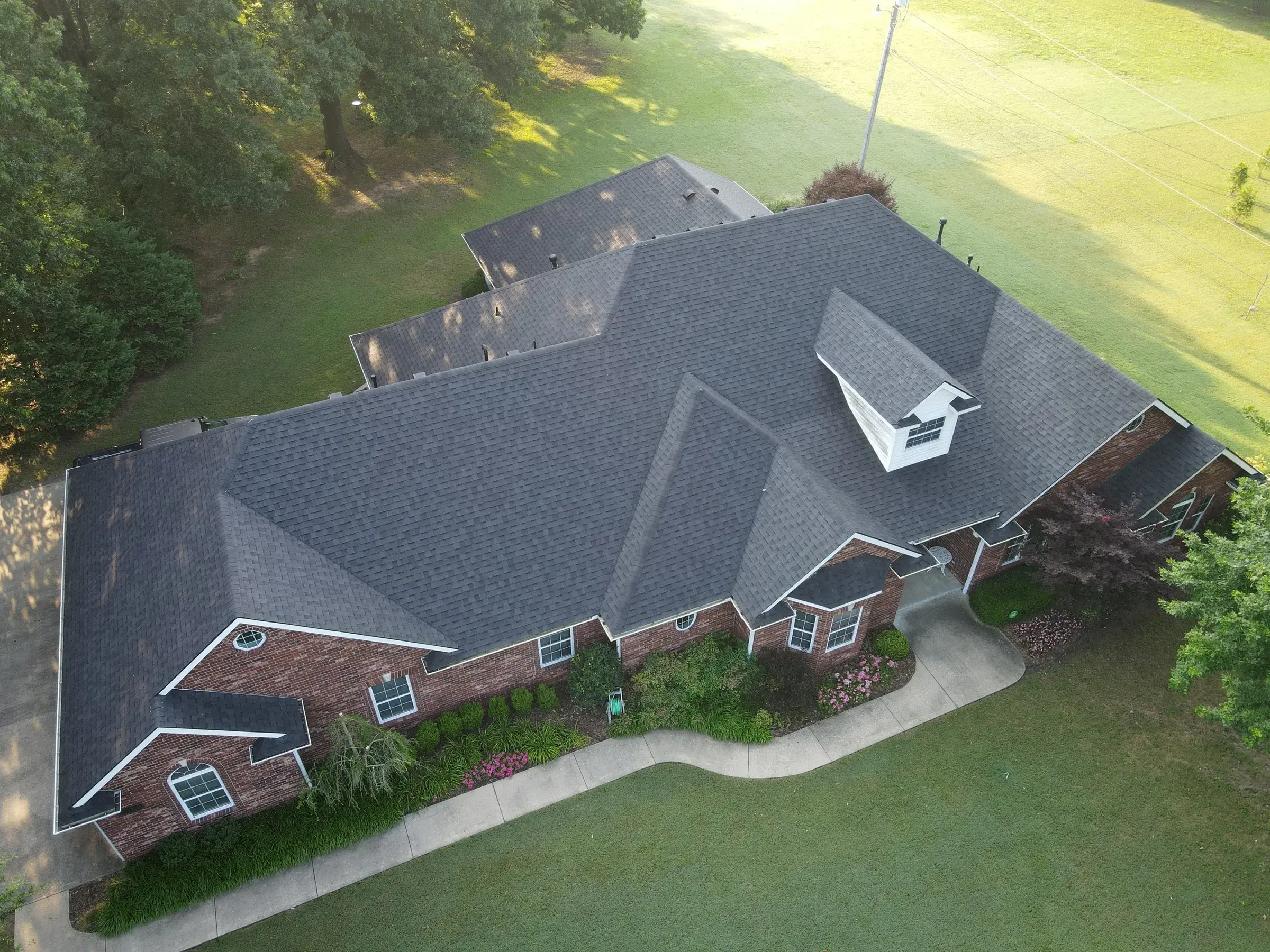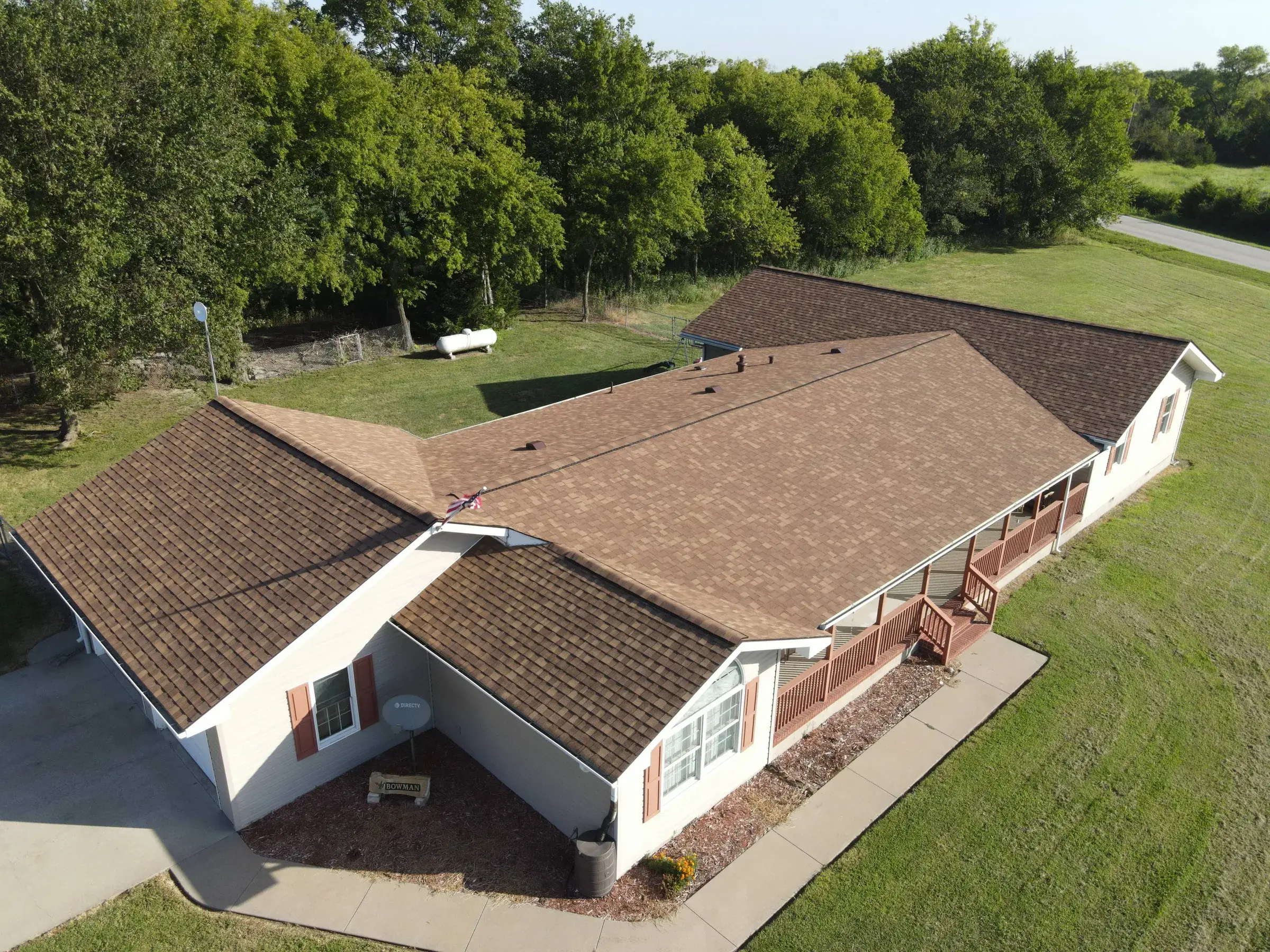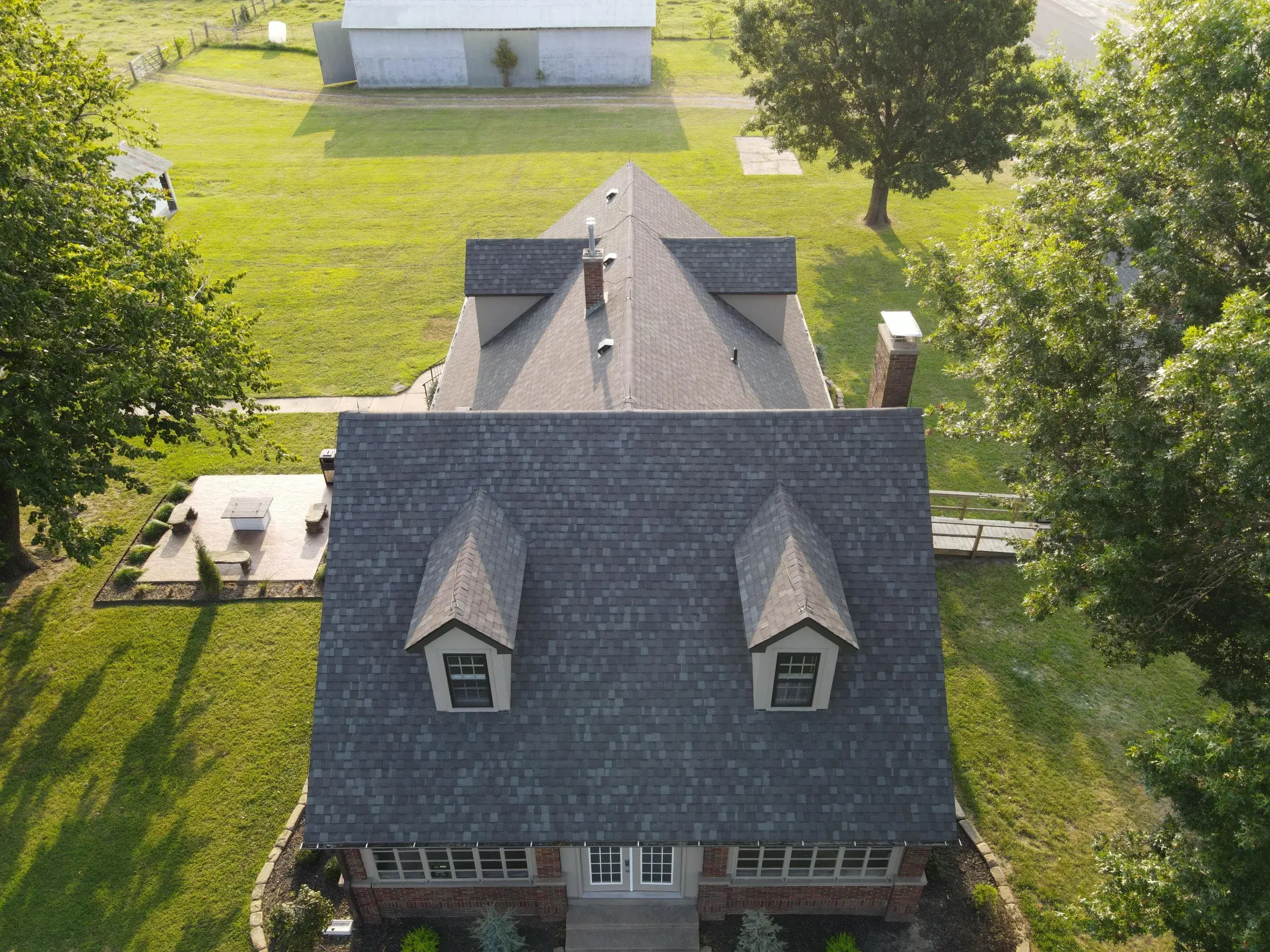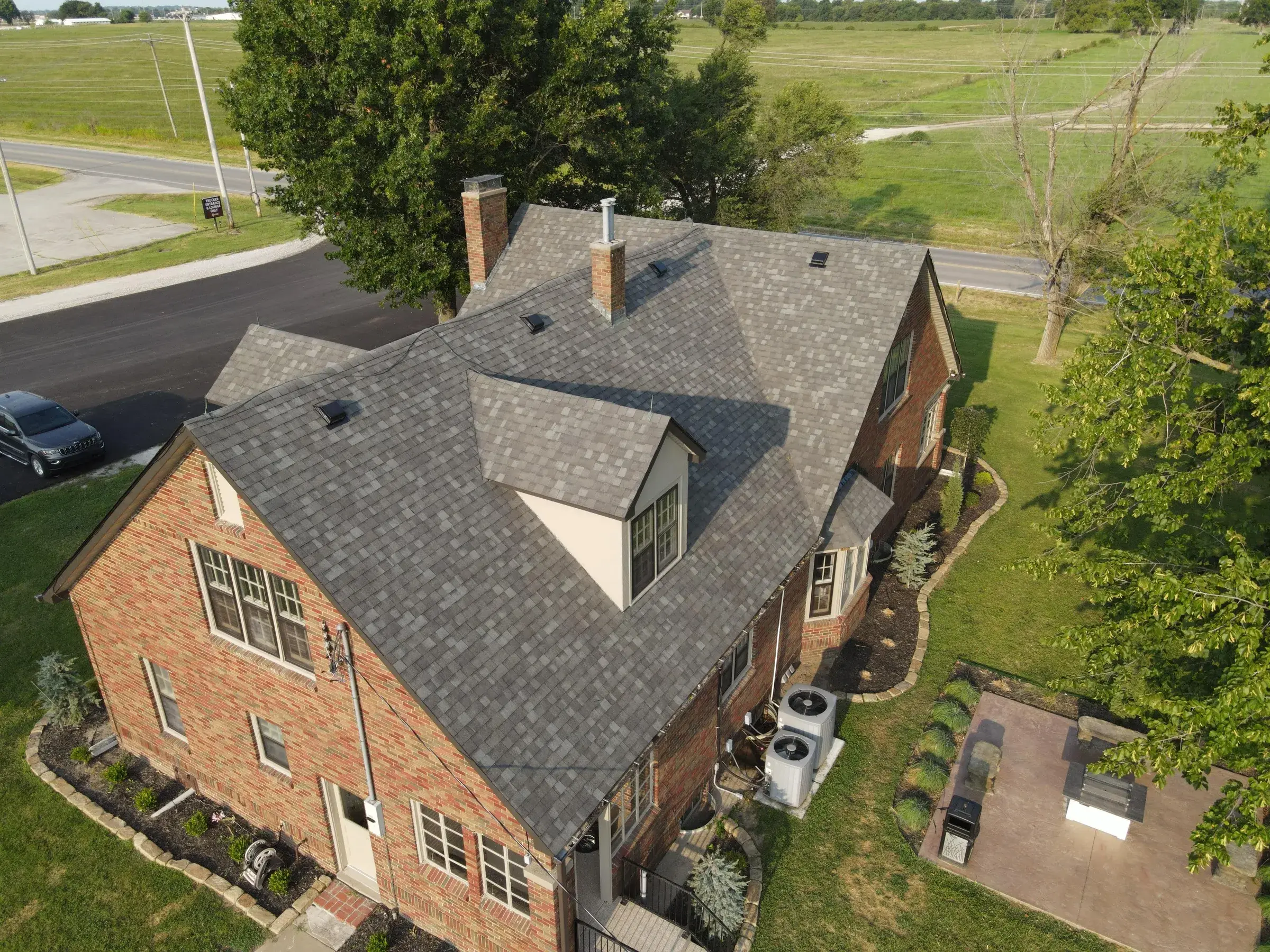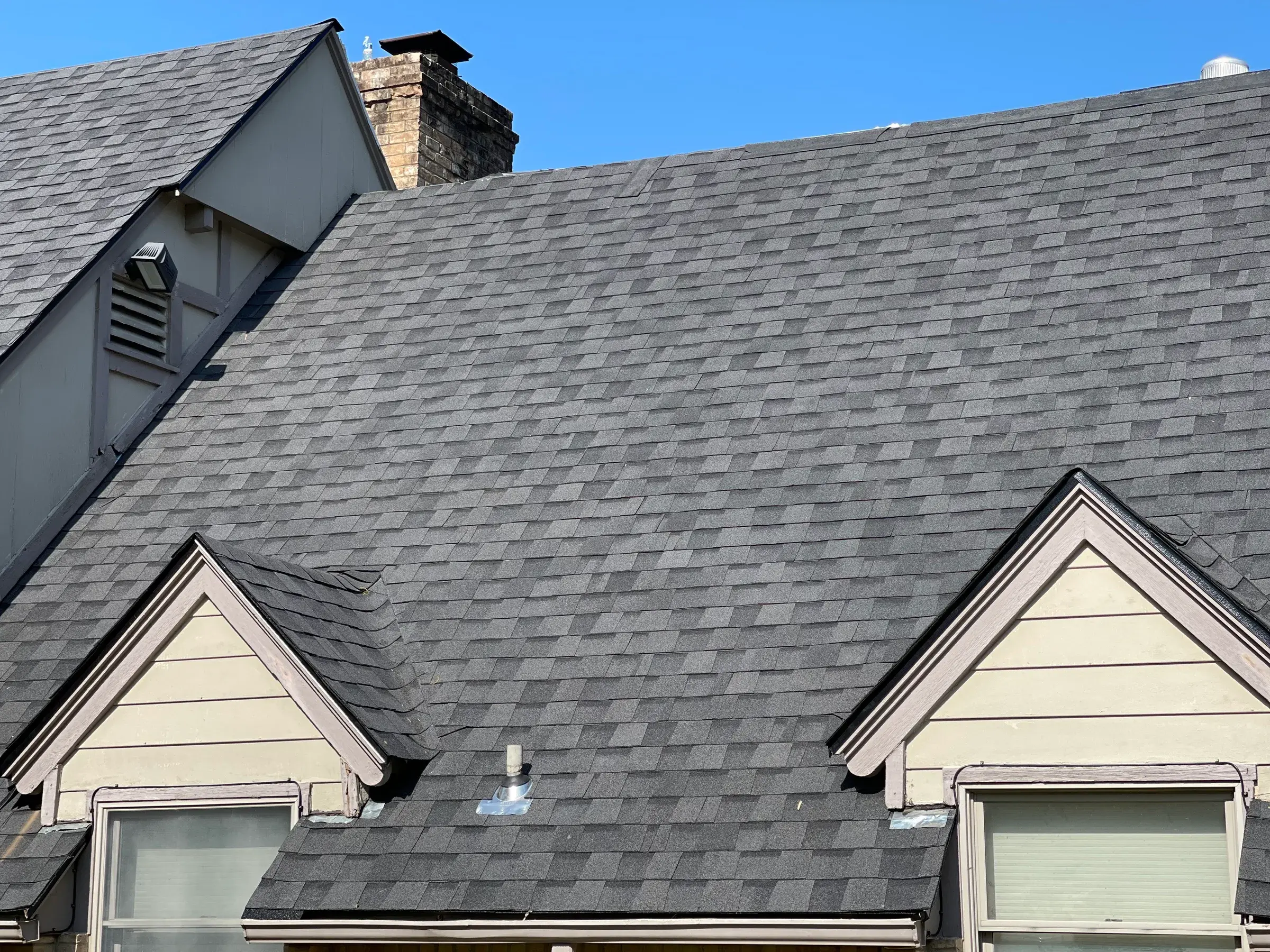
Start with the denial letter's stated reason — it determines your options. Below-deductible, wear-and-tear, cosmetic exclusion, and late-reporting denials each call for a different response: reinspection, supplement, the policy's appraisal clause, or an Oklahoma Insurance Department complaint. Oklahoma law also lets you cancel a roofing contract if your claim is denied.
First: read the denial letter and find the stated reason
A denial letter is not a verdict. It is a document, and somewhere in it — usually one short paragraph, often citing a policy provision by number — is the reason the carrier gave. Everything you can do next depends on that reason. Find it before you do anything else, and write it down in the carrier's own words.
Then figure out which document you actually have. A denial says the loss isn't covered. An underpayment says it is covered but the estimate came in low, or under your deductible. Those are different problems with different tools, and homeowners lose weeks treating one like the other. The NAIC's consumer resources on denied property claims make the same first point: get the denial in writing, with the policy language it relies on. If a claims rep told you no over the phone, that's not a denial letter. Ask for one.
Pull these together before you respond to anything
- The denial letter itself, including the stated reason and any policy provision it cites by number
- Your full policy — declarations page plus every endorsement, especially a cosmetic-damage endorsement, a roof surfaces payment schedule, or a separate wind/hail deductible
- The adjuster's report, scope, and photographs. Request them in writing. You are asking for the file on your own claim.
- Your claim number, the date of loss you reported, and the date the adjuster physically inspected
- Any photos you took before the storm and after it, with the timestamps intact
- Your roofing contract, if you have already signed one — the date on it matters more than you'd think
One more line to look for: the policy's suit-limitation provision and its notice requirements. Those set deadlines. They are usually in the conditions section, not the coverage section, and nobody reads the conditions section until it costs them something.
The five common denial reasons and what each one really means
Around Miami, most roof claims are hail claims. The Oklahoma Climatological Survey's 1991–2020 normals put Ottawa County at four to five days a year with hail larger than three quarters of an inch — enough to keep the conversation about hail more or less permanently. So most denial letters on a kitchen table here are hail denials, and they tend to come in a handful of shapes.
| If the letter says… | What it means in plain English | What's actually in dispute | Where to go next |
|---|---|---|---|
| Wear and tear, deterioration, or age | The adjuster saw marks on the roof but attributed them to age and exposure rather than a storm | Causation | Reinspection with dated, loss-specific documentation |
| Cosmetic damage only | Your policy carries a cosmetic-damage endorsement, and the adjuster judged the marks to be appearance-only | Whether the damage affects how the roof functions | Reread the endorsement, then a reinspection focused on function, not looks |
| Pre-existing or prior damage | The carrier believes the condition predates your policy or was covered by an earlier settled claim | Dates | Dated evidence — real-estate listing photos, prior inspection reports, permit records |
| Late reporting | You reported after the policy's notice window, or the carrier says the delay hampered its investigation | Contract terms | Your policy's notice provision; the Oklahoma Insurance Department if the basis isn't stated clearly |
| Damage below your deductible | The carrier agrees there is covered damage, but its estimate lands under your deductible | Scope and price, not coverage | A written estimate that includes code-required and access items; then a supplement |
| No damage found | The adjuster's inspection documented nothing storm-related | Facts on the roof | Ask for the adjuster's photos and scope in writing; then a reinspection |
Notice what that last column does not say anywhere: appeal. There is no appeals board for a homeowner's insurance claim. There are only the specific tools your policy and Oklahoma law give you, and picking the wrong one wastes the clock.
Wear and tear, cosmetic exclusion, prior damage, late reporting, below-deductible: different problems, different responses
Wear and tear
This is the most common denial reason, and it is not automatically wrong. Roofs here age hard. The Oklahoma Climatological Survey counts 57 days a year above 90°F in this part of the state and 89 nights a year below freezing, so a Miami roof goes through the expand-and-contract cycle almost a third of the year, on top of roughly 62% annual sunshine working on the granules. Shingles genuinely wear out.
Geography matters too, and Ottawa County is split down the middle. East of Miami you're into the Ozark Plains — rockier, wooded, shaded. Those roofs collect tree debris and organic growth, and an adjuster can read that as neglect. West of town is the Neosho Lowlands: flat, open, long wind fetch, nothing to slow anything down. The same denial reason means different things on those two roofs. If your letter says wear and tear, the question is whether the specific marks the adjuster photographed are storm bruises or aging, which is a factual argument — and if you want to see the difference for yourself first, our piece on hail damage versus wear and tear at /blog/hail-damage-vs-wear-and-tear shows what each one actually looks like.
Cosmetic damage only
Go to your declarations page and look for a cosmetic-damage endorsement. Many Oklahoma policies carry one, often added at renewal, and homeowners find out it exists on the day it's used. The endorsement generally excludes damage that marks the roof without affecting how it sheds water. The dispute, then, is not about whether hail hit — it's about function. Bruised mats, fractured fiberglass, and displaced granules over a soft spot are functional arguments. Dented gutter aprons alone are not.
Pre-existing or prior damage
This one is about dates, and dates are winnable or they aren't. If you bought the house three years ago, the listing photos are online and they are dated. If a prior owner filed a claim, the carrier may know more about your roof's history than you do. Ask what prior claim they're referring to.
Late reporting
Hail damage is quiet. It doesn't leak the week it happens — it leaks two winters later, after the freeze-thaw cycles work on the fractures. That's the honest reason so many people report late. It is also, unfortunately, the reason carriers write notice provisions. Read yours. The response here is almost never a reinspection; it's a careful read of the policy language and, if the stated basis is vague, a complaint to the regulator asking the company to explain it.
Below deductible
This is not really a denial, and it's the one most often worth a second look — because it's arithmetic. The carrier's estimate is under your deductible. Estimates go under deductibles when scope is missing: drip edge, ice-and-water where it's actually being installed, ridge vent, permit fees, steep or two-story access, disposal. Whether that gap is worth chasing also depends on whether your policy pays actual cash value or replacement cost, which we break down at /blog/acv-vs-rcv-roof-insurance. And if your wind/hail deductible is a percentage of the dwelling amount rather than a flat figure, check the math on the declarations page — a percentage deductible on a home near the county's $123,300 median value is a very different number than the flat $1,000 people assume they have.
Your Oklahoma roofing contract right when a claim is denied (59 O.S. § 1151.21(A))
Here is the part most homeowners in this state have never been told, and it only exists because roofing contracts get signed in driveways in the days after a storm, before anyone knows whether the claim will be paid.
Read that against the contract in your kitchen drawer. If you signed one after a storm and the claim just came back denied, you have a decision to make inside 72 hours of receiving that notice, and "in part" counts. Partial denial, same right.
While you're in the paperwork, check who you signed with. Oklahoma registers roofing contractors through the Construction Industries Board, and registration requires liability insurance of at least $500,000 for residential work. The CIB publishes a free public lookup at verifyroofing.cib.ok.gov. Our Oklahoma CIB registration number appears on every estimate and contract we hand you — run it, and run anyone else's while you're there. It takes about a minute and it is the single most useful minute in this entire process. And note the vocabulary: Oklahoma issues registrations, not licences. Anyone selling you a "licensed and bonded" roof in this state is telling you something about their marketing, not about the law.
Requesting a reinspection: when it makes sense and what to have ready
A reinspection makes sense when the dispute is factual — wear and tear, no damage found, cosmetic-only. It does not make sense when the dispute is about contract language, like a late-reporting denial. Nobody's second trip up a ladder changes what your notice provision says.
You can ask your carrier to send a different adjuster or a field re-inspect. You can also have the roof independently documented first, so you know what's up there before you ask. Our roof inspections are free — that's what /services/roof-inspections covers — and the useful output is a photo report with the slope, the elevation, and the condition documented, not an opinion about your claim.
Have this ready before the reinspection
- The adjuster's original scope, so the second look addresses the same slopes and elevations rather than a different roof
- The date of loss you are claiming — one date, not "sometime last spring"
- Attic access if you have it. Interior decking staining tells a story that surface photos can't.
- A list of everything else the storm touched: gutters, downspouts, gable vents, window screens, soft metals, the AC condenser fins. Collateral damage on soft metal is dated, hard-to-argue evidence.
- Your deductible from the declarations page, so you know what number the scope has to clear
- Anything genuinely unsafe about the roof — steep pitch, brittle shingles in cold weather. A rushed inspection in January is a worse inspection.
If you want to know how the on-roof meeting itself usually goes, /blog/roof-insurance-adjuster-meeting walks through it. The short version: be there, take your own photos of whatever gets marked, and ask for the scope in writing afterward.
Supplements vs. reopening a claim vs. appraisal — three different tools
These get used interchangeably in conversation and they are not the same thing. A supplement adds missed or code-required line items to an estimate the carrier has already accepted — it assumes coverage. Reopening a claim brings new information to a claim that was closed. Appraisal is a formal process written into most policies for resolving a disagreement about the amount of a covered loss.
That last distinction is the one that trips people. Appraisal decides how much, not whether. If your claim was denied outright on coverage, there is typically nothing for two appraisers to value, and pushing for appraisal on a coverage denial mostly buys delay. The Oklahoma Insurance Department's dispute guidance points homeowners to the appraisal clause for amount disputes specifically. Read your own policy's appraisal paragraph — the wording varies, and some policies make it optional for the carrier rather than mandatory.
Supplements are where Oklahoma code language earns its keep. Oklahoma amended IRC section R908.3.1.1 to require tear-off rather than shingle-over in defined conditions, which means a compliant re-roof here sometimes costs more than a generic estimate assumes. The City of Miami also requires a permit for new roofs and re-shingles, and we pull it — that permit is a real line item, not a courtesy. Code and permit items are legitimate scope. Getting them onto the estimate is the contractor's job. Deciding whether your policy pays for them is your insurer's.
| Tool | What it's for | Who runs it | Cost to you | Rough timeline |
|---|---|---|---|---|
| Reinspection | A second look at the roof and a fresh documented photo report | Your carrier, or an inspector you bring in | A carrier re-inspect costs you nothing; our inspections are free | Days to a few weeks |
| Supplement | Adding missed or code-required scope to an accepted estimate | Your contractor submits line items; the carrier's desk adjuster reviews | No separate fee | Weeks, often over several rounds |
| Reopening the claim | New information on a claim already closed | You, with your carrier | None | Varies by carrier |
| Appraisal | Disagreement over the amount of a covered loss — not whether it's covered | You and the carrier each name an appraiser; the two select an umpire | Your appraiser's fee plus a share of the umpire's — your policy states the split | Weeks to months |
| Insurance Department complaint | Asking the regulator to review how the company handled the claim | Oklahoma Insurance Department, Consumer Assistance | Free | Weeks |
| Attorney review or litigation | Coverage disputes, contract interpretation, conduct questions | A licensed Oklahoma attorney | Fee arrangements vary — ask up front | Months and up |
The appraisal clause: how it works and what it costs
Find the paragraph in your policy titled Appraisal. It's short. In the typical version, either side can demand appraisal when there's a disagreement about the amount of loss. You name an appraiser. The carrier names one. The two appraisers select an umpire. If the two appraisers agree on a number, that's the amount. If they don't, any two of the three — including one appraiser and the umpire — can set it, and that figure binds both sides on amount.
The costs are usually spelled out in the same paragraph: each side pays its own appraiser, and the umpire's fee gets split. Read yours rather than trusting a number someone quotes you, because the split language varies. Budget for it before you demand it, because once appraisal is invoked you're generally in it.
Two things appraisal will not do. It will not decide coverage — an appraisal panel valuing a loss the carrier says isn't covered is a procedural knot, and that's a question for a lawyer. And it will not undo your policy's other conditions. Appraisal is a scalpel for one specific disagreement: how much.
Filing a complaint with the Oklahoma Insurance Department
The Oklahoma Insurance Department regulates the companies that write your policy. Its Consumer Assistance Division takes complaints from policyholders, and it is free. It is also underused, largely because people assume it's a formality. It isn't — a complaint puts the company on record explaining its position in writing, which is worth having whatever you do next.
- Give your carrier a real chance to respond in writing first. The Department is reviewing how the company handled your claim, so there needs to be handling to review.
- Gather the denial letter, your declarations page, the adjuster's report and photos if you have them, and every piece of written correspondence. Emails count.
- Go to oid.ok.gov and open the Consumer Assistance complaint form. It can be filed online; the current form, the mailing address, and the consumer line are all published on that page.
- Write what happened in dates and documents, not adjectives. "Reported 4/12, inspected 4/29, denied 5/16 citing wear and tear; adjuster's photo set not provided despite two written requests" does more work than three paragraphs of frustration.
- State plainly what you're asking for — usually the file, a written explanation tied to the policy language, or a re-inspect.
- Upload everything. Attach, don't describe.
- The Department contacts the company, asks for its position, and you receive a copy of the response.
Know the limit going in. The Department's own consumer materials are clear that it cannot act as your attorney or decide a disputed question of fact between you and your insurer. It can require a company to explain itself and review whether the claim was handled properly. It cannot order a payment on a contested coverage question. That's what courts are for. And if your complaint is about a contractor rather than an insurer, that's a different door entirely — the Oklahoma Attorney General's consumer protection resources cover contractor complaints, and the CIB handles roofing registration issues.
When it becomes a legal question and a contractor must step back
There's a line in this process, and Oklahoma draws it in statute rather than leaving it to etiquette.
There's a second line worth naming. Oklahoma law at 59 O.S. § 1151.30 makes it unlawful to advertise or promise to pay any part of a deductible, directly or indirectly, or to offer an insured anything of value for a service — and that section was amended effective November 1, 2025. So if a contractor answers your denial letter by offering to make the deductible disappear, or to "work with you" on it, or to trade you a discount for a yard sign on an insurance job, you have learned something important about that contractor for free. Walk. Nobody offers to break the law on your behalf and then behaves scrupulously on your roof.
Rebuilding the file: what usually changes an outcome, and what usually doesn't
Nothing here promises a different result. Sometimes a carrier looks again and takes a different position. Often it doesn't. But if you're going to spend the effort, spend it on the things that actually carry weight.
| Usually worth doing | Usually doesn't move anything |
|---|---|
| Dated, close-up photographs of specific damage, tied to one date of loss | Repeating that the neighbours all got new roofs |
| A written estimate that lists code-required items and the Miami permit as separate lines | Volume — sending 200 photos of the same slope |
| The carrier's own adjuster report and photo set, requested in writing | Arguing with a desk adjuster by phone with no written record afterward |
| Weather records for your address on the date of loss from NOAA and the National Weather Service | A contractor's assurance that he'll "get it approved" |
| A short written statement of exactly what you disagree with and why | Waiting. Notice and suit-limitation provisions have deadlines. |
| Collateral evidence on soft metals — gutters, vents, screens, AC fins | Emotional argument in the complaint form |
The pattern across all of it: dates, documents, and specifics beat volume and adjectives every time. A denial is a stated position, and the only thing that engages a stated position is a better-documented one. If you haven't been through a claim from the start and want to see where a denial sits in the sequence, /blog/oklahoma-roof-insurance-claim-process lays the steps out in order.
If you're in Miami, Commerce, North Miami, Quapaw, Wyandotte, or anywhere across Ottawa County with a denial letter and no idea what's actually on your roof, we'll come look and document it, free, and give you a written estimate for the work we'd do. Then the decision is yours to make with facts in hand. You can find us at /locations/miami-ok, and you can check our CIB registration at verifyroofing.cib.ok.gov before you ever call.
We are roofing contractors, not public adjusters or insurance attorneys. Coverage decisions are made by your insurer under your policy.
Questions people ask about this
Can I cancel my roofing contract if my insurance claim gets denied in Oklahoma?
Yes. Under 59 O.S. § 1151.21(A), you may cancel a roofing contract within 72 hours after you receive notice from your insurer that the claim has been denied in whole or in part — partial denials count. Your notice of cancellation has to be in writing and follow the form the statute describes, and the contract itself is supposed to tell you the right exists. Under § 1151.21(C), the contractor tenders back any payments you've made within 10 days, with one exception: emergency services you acknowledged in writing were necessary to prevent damage to the premises.
Can I use the appraisal clause on a denied claim?
Usually not. Appraisal is written into most policies to resolve a disagreement about the amount of a covered loss, not about whether the loss is covered at all. If your carrier denied coverage outright, there is typically nothing for two appraisers to value, and demanding appraisal mostly buys delay. Read your policy's appraisal paragraph — the wording varies — and if the dispute is genuinely about coverage rather than amount, that's a question for an attorney.
Will the Oklahoma Insurance Department make my insurer pay?
No, and it's better to know that going in. The Department regulates insurance companies and can require your carrier to explain its position in writing and review whether the claim was handled properly. Its own consumer materials are clear that it cannot act as your attorney or decide a disputed question of fact. It cannot order payment on a contested coverage question — courts do that. The complaint is still worth filing, because it puts the company's reasoning on the record.
Can Absolute Royalty Roofing appeal my denial or deal with my adjuster for me?
No. In Oklahoma, representing an insured's interests in a claim for compensation is public adjusting under 36 O.S. § 6202, and doing it without a licence is a misdemeanour — a signed authorisation from you doesn't change that. What we can do: inspect the roof, document its condition in a photo report, give you a written estimate for the work we would perform, meet your adjuster on site if you ask, and explain how the process works. Your insurer decides coverage under your policy.
My denial says "cosmetic damage only." What does that actually mean?
It means your policy most likely carries a cosmetic-damage endorsement — check the declarations page, since these are often added at renewal without much fanfare. The endorsement generally excludes damage that marks the roof's appearance without affecting how it sheds water. So the dispute isn't whether hail hit; it's whether the damage is functional. That's a factual question a documented reinspection can address, focused on things like bruised mats and fractured fiberglass rather than dents in soft metal.