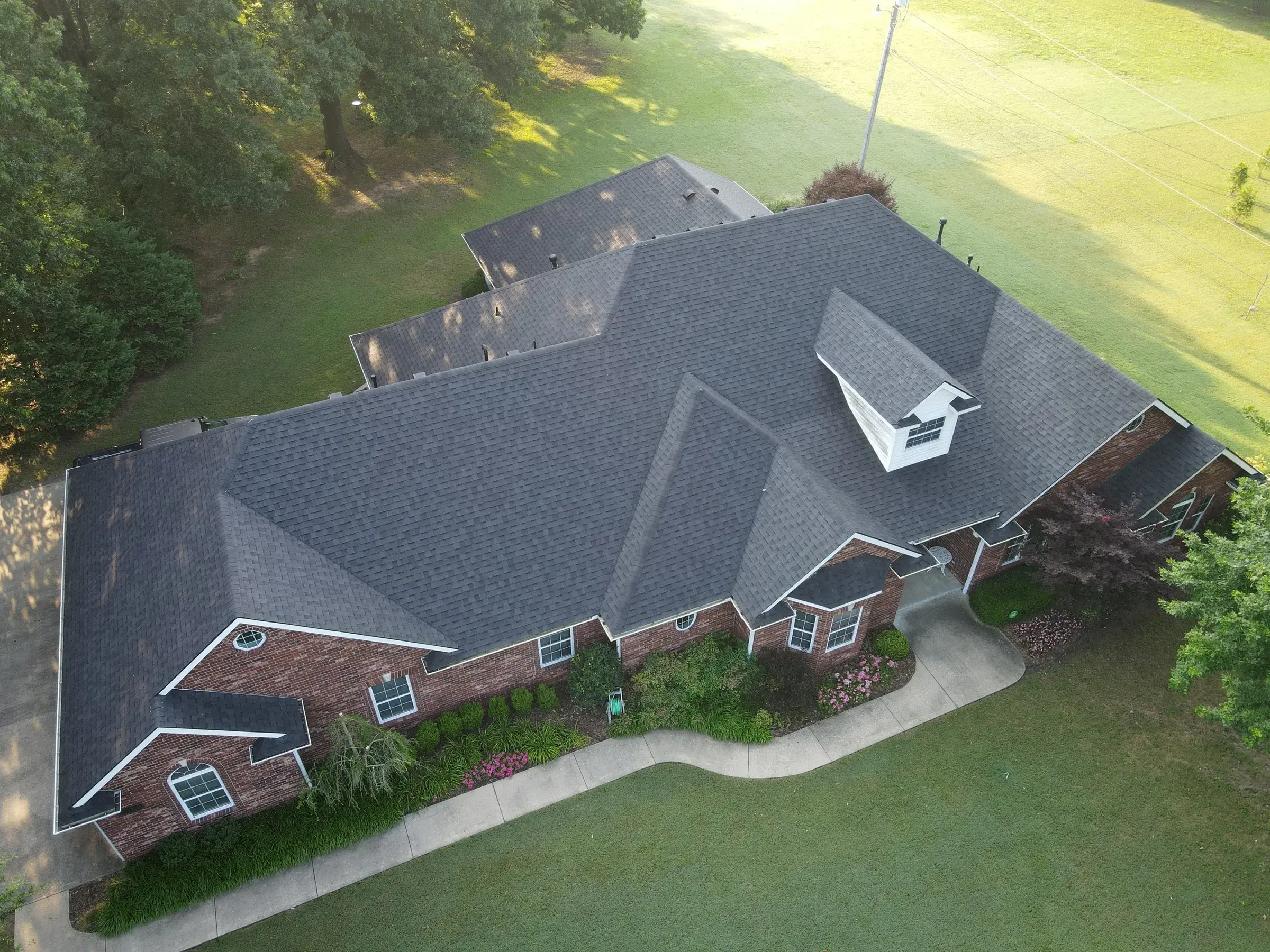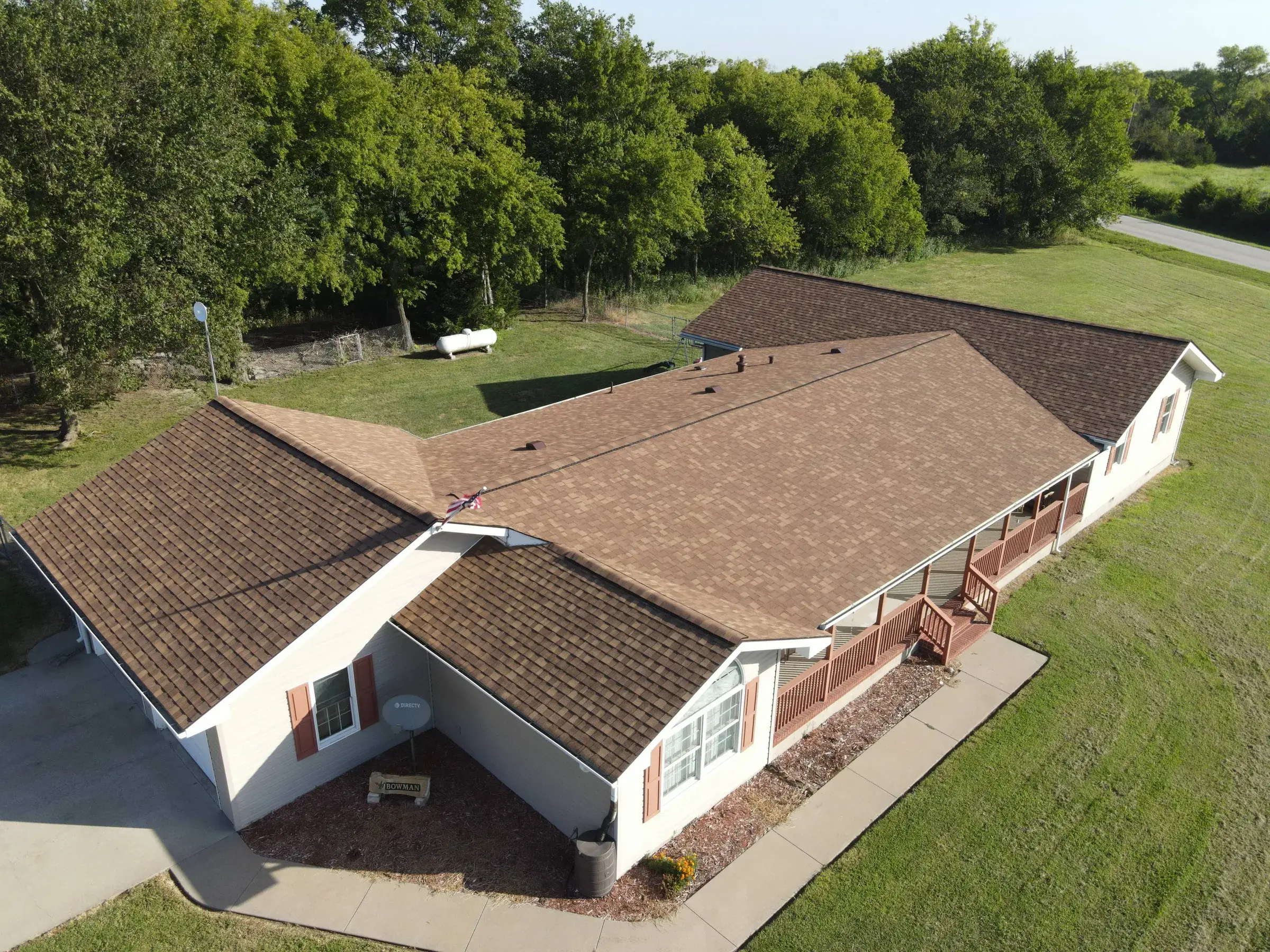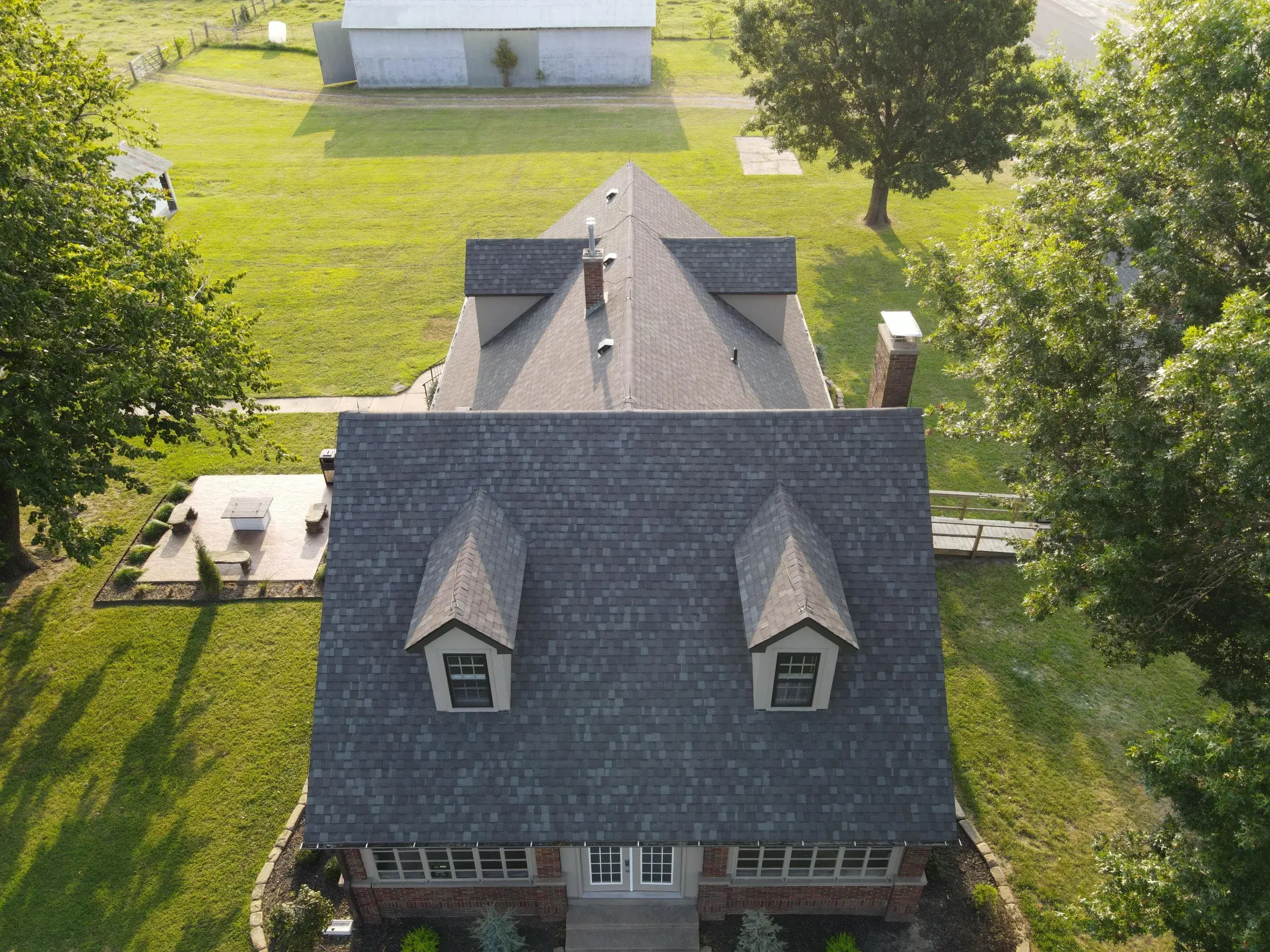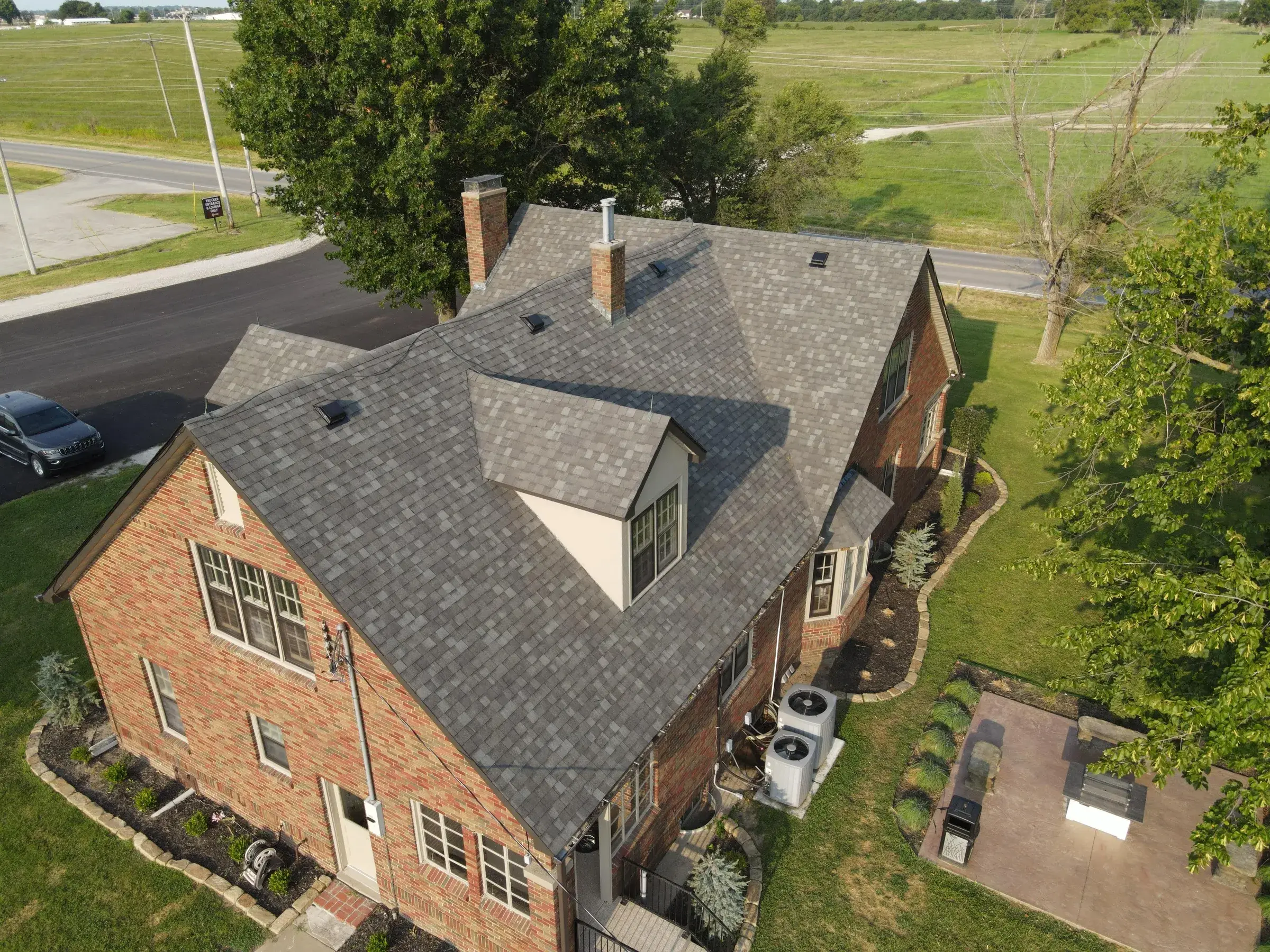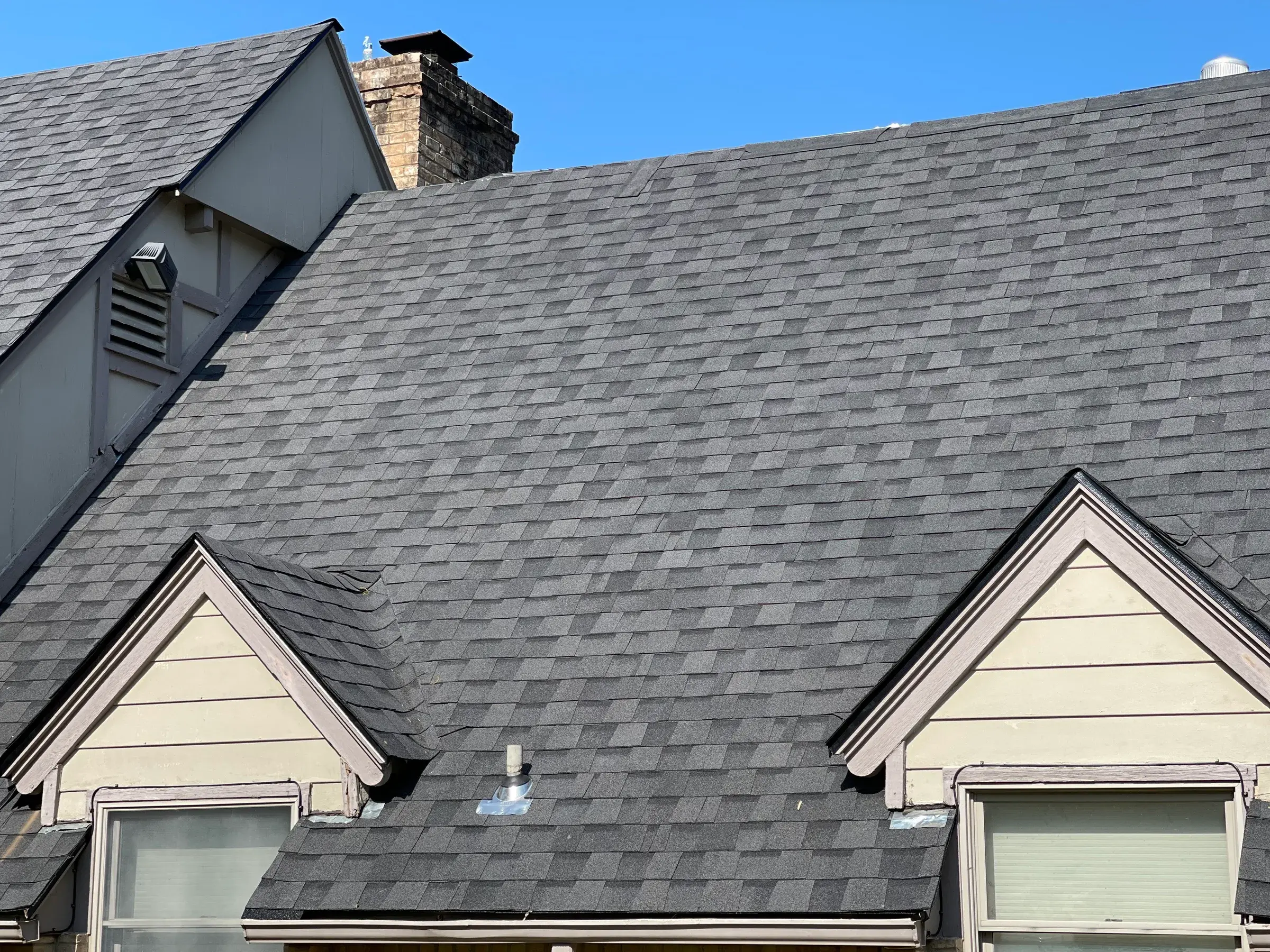
The adjuster's job is to determine cause of loss and write a scope of repair. Expect test squares, measurements, and photographs. Have your policy, dated damage photos, mitigation receipts, and a written damage log ready, and make sure interior and collateral damage is shown — not just the roof. Ask for the written scope afterward.
Who is coming: staff adjuster, independent adjuster, or ladder assist
The person who knocks on your door is not always an employee of your insurance company. Knowing which kind of adjuster you have changes what you can reasonably expect from the visit.
A staff adjuster works directly for your carrier. They carry the company's guidelines in their head and often have authority to write the scope on the spot. An independent adjuster is a contractor hired by your carrier, usually because a storm produced more claims than the staff can cover. After a hail day across Ottawa County, independents are common — they may be from Tulsa, or from out of state entirely. They still adjust under your carrier's guidelines, but the file usually goes back to a desk adjuster who never sees your house.
A third possibility: a ladder assist. Some carriers send a separate vendor whose only job is to get on the roof, photograph it, and measure it. The ladder assist tech does not decide anything. They document, and the adjuster — sometimes standing in your driveway, sometimes reviewing from an office — makes the call. If a ladder assist shows up alone, ask who is actually writing the scope and how to reach them. That is the person whose questions matter.
Increasingly you may also be offered a virtual or drone inspection. That is a legitimate method, but it has limits: a drone photo can show a missing shingle and cannot show a hail bruise you have to press with a thumb to feel. If your damage is bruising rather than obvious loss, it is fair to ask for a physical inspection.
What the adjuster will physically do on the roof
The adjuster is answering two questions: what caused this, and what does it take to repair it. Everything they do on the roof serves one of those two questions.
Expect them to walk each slope, or as many as they can safely reach. Expect chalk. Expect a tape measure or a wheel, and photographs of everything — including your address, to tie the photos to the file. On a hail claim, expect test squares.
The test square, explained
A roofing "square" is 100 square feet. A test square is a 10-foot by 10-foot area chalked onto a slope, and it is the adjuster's sampling method. Rather than count every impact on a 30-square roof, they count the impacts inside a representative 100 square feet on each slope, then reason outward from that sample.
| Element | What it means | Why it matters to you |
|---|---|---|
| The chalked square | A 10 ft x 10 ft area, marked on the shingle surface | It is a sample, not the whole roof. Where it is placed affects the count. |
| Circled marks inside it | Each circle is one impact the adjuster is counting as hail | You can ask them to explain what makes a mark count versus not count |
| The slope label (N, S, E, W) | Hail is directional. Each slope is counted separately | A north slope can qualify while a south slope does not — that is normal, not an error |
| The hit count | The number of qualifying impacts found in that 100 sq ft | The threshold is your carrier's internal guideline, not an Oklahoma law. Ask what number they are using. |
| Marks on soft metals | Dents in vents, gutters, downspouts, flashing, AC fins | These are date and size evidence. They are the hardest damage to argue away. |
Two things about test squares are worth understanding. First, placement is a judgment call. A square set on a protected slope under a tree line — common on the Ozark Plains side of Ottawa County, east of Miami — can read differently than one set on an open west-facing slope with unobstructed wind fetch. Second, a bruise is not always visible in a photograph. It is felt: a soft spot where the hail fractured the mat under the granules. If you cannot see what the adjuster sees, it is entirely reasonable to ask them to describe it to you from the ladder, or to send you the photos.
On a wind claim, the method is different. The adjuster is looking for creased shingles, unsealed tabs they can lift by hand, and directional patterns along rakes and ridges. Ask which peril they are adjusting under. Hail and wind are not the same line of inquiry, and a roof in this market can have both.
What to have ready before they arrive
Preparation is not persuasion. You are not there to talk anyone into anything. You are there so nothing about your loss goes undocumented because it was in a drawer instead of on the table. The Insurance Information Institute's guidance on the claim adjustment process makes the same basic point: the file is built from evidence, and the policyholder supplies a large share of it.
Pre-inspection preparation checklist
- Your policy declarations page — the summary sheet showing coverage limits and your deductible. Know whether you have replacement cost value or actual cash value, and whether you have a separate wind/hail deductible (often a percentage, not a flat dollar amount).
- Your claim number and the name and direct contact for the desk adjuster, if a different person is coming out.
- Dated photos of the damage, taken as soon after the storm as it was safe to do so. Phone photos carry timestamps — do not strip them.
- Any photos of the roof from before the storm. Old listing photos, a family picture in the yard, a shot of the Christmas lights. Before-and-after is the most persuasive evidence you own.
- A written damage log: the date and time you first noticed damage, what you heard or saw during the storm, where water came in, and when.
- Receipts for emergency mitigation — tarps, boards, a plumber, a water extraction service, a hotel night if the home was unlivable. Most policies require you to prevent further damage and reimburse reasonable costs of doing so.
- Receipts or records for prior roof work, repairs, or the last replacement, and the age of the roof if you know it.
- A list of interior damage locations, room by room.
- Access: unlocked gates, dogs put up, cars moved off the driveway, and a clear path to the attic hatch.
- A pen and this article's question list, printed.
If you have not photographed the damage yet, do that before the visit — from the ground, from a window, from the attic, never by climbing a storm-damaged roof yourself. Our guide to [documenting roof storm damage with photos](/blog/documenting-roof-storm-damage-photos) walks through the shots that actually get used in a file.
Can your roofer be there? What a contractor may and may not do at the inspection
Yes. You can ask a contractor to be present, and we will meet your adjuster on site if you ask us to. But you should understand exactly what that presence is and is not — because Oklahoma law draws a hard line here, and a contractor who blurs it is breaking it.
Under Oklahoma law, a person who, for compensation, represents an insured's interests in negotiating or effecting the settlement of a claim is acting as a public adjuster (36 O.S. § 6202). Public adjusting without a licence issued by the Oklahoma Insurance Department is a misdemeanour, and a signed authorisation from you does not make it legal. We are not public adjusters. We do not negotiate with your carrier, we do not represent your interests in a settlement, and we do not handle, file, or argue your claim.
What a roofing contractor legitimately does at that meeting is narrow and useful: describe the condition of the roof, point out the physical damage and where it is, explain what the repair or replacement actually requires from a construction standpoint, and provide a written estimate for the work we would perform. The adjuster asks about the roof; the roofer answers about the roof. Your insurer decides coverage under your policy. That decision is theirs, not ours, and no contractor's attendance changes what your policy covers.
| Role | Who pays them | What they may legally do | What they may not do |
|---|---|---|---|
| Staff adjuster | Your insurance carrier (employee) | Inspect, determine cause of loss, write the scope, recommend the settlement under carrier guidelines | Represent your interests; they represent the carrier |
| Independent adjuster | Your carrier (hired vendor) | The same inspection and scope work, adjusting under the carrier's guidelines | Bind coverage on their own if the file goes back to a desk adjuster |
| Public adjuster | You — typically a percentage of the settlement | Represent you in negotiating the claim, but only if licensed by the Oklahoma Insurance Department | Operate unlicensed; in Oklahoma that is a misdemeanour |
| Roofing contractor | You — for the roofing work performed | Inspect the roof, document damage with photos, provide a written estimate, explain the scope of repair, attend the inspection at your request | Negotiate, adjust, or settle your claim; act as your claims representative; pay or waive any part of your deductible |
One more thing worth doing before anyone stands on your roof. The Oklahoma Roofing Contractor Registration Act (59 O.S. § 1151.1 et seq.) requires residential roofing contractors to register with the Oklahoma Construction Industries Board, and registration requires liability insurance of at least $500,000 for residential work. Oklahoma issues registrations, not licences — anyone selling you a "license" is using the wrong word at best. You can verify any contractor, including us, at verifyroofing.cib.ok.gov before you sign anything. Ask for the registration number and check it. Storm-chasing crews follow hail into this corner of the state, and this is the ninety seconds that sorts them out.
Questions worth asking, and the ones that waste the visit
Ask questions that produce information you can use later. Avoid questions that ask the adjuster to promise something they have no authority to promise, or that turn a documentation visit into an argument.
Questions to bring to the inspection
- Are you a staff adjuster, an independent, or a ladder assist? If the scope is written by someone else, who is it and how do I reach them?
- What peril are you adjusting under — hail, wind, or both?
- How many test squares are you setting, and on which slopes?
- What hit count is your carrier's guideline for this roof, and did each slope meet it?
- Will you photograph the soft metals — vents, gutters, flashing, the AC condenser fins?
- Are you inspecting the interior and the attic as well as the roof?
- What date of loss is on this file?
- Will I receive a copy of the full written scope and the photographs, and by when?
- Which deductible applies — my standard one, or a separate wind/hail percentage deductible?
- Is this being settled on replacement cost or actual cash value, and what triggers the recoverable depreciation?
- If I disagree with the scope, what is the process — supplement, re-inspection, or appraisal?
Questions that waste the visit: "Are you going to approve this?" (they often cannot say on the spot), "How much will I get?" (that comes from the scope and your policy, not from a driveway conversation), and anything that pressures the adjuster toward a conclusion. The National Association of Insurance Commissioners' consumer resources are blunt about the useful posture here: be present, be factual, keep records of every conversation. Note the adjuster's name, the date, and what was said. That log is worth more later than any argument made on the day.
Interior and collateral damage: don't let the inspection stop at the roof
This is the single most common way a scope comes back thin. The adjuster gets on the roof, gets down, and leaves — and the ceiling stain in the back bedroom never makes the file because nobody walked to the back bedroom.
Walk them through it. You do not have to characterise it or argue it. You just have to show it.
- Attic: staining on the decking underside, wet or compressed insulation, daylight at penetrations, rusted nail shanks.
- Ceilings and walls: stains, bubbling paint, sagging drywall, especially under valleys and around chimneys.
- Windows and doors: water tracks on sills, damaged screens, cracked panes.
- Siding and trim: hail bruising on the storm-facing elevation, chipped paint, split wood.
- Gutters and downspouts: dents, separations, granule accumulation.
- Soft metals around the property: the AC condenser fins, mailbox, grill lid, garage door panels, metal outbuildings. These are your unimpeachable date-and-size evidence.
- Skylights, ridge vents, turbines, pipe boots, and step flashing — the L-shaped metal that ties the roof into a wall.
- Fences, decks, and detached structures, which are often covered under other structures on your policy.
Nearly 77% of Ottawa County's housing is detached single-family, and better than one in eight units is mobile or manufactured — homes where roof damage shows up as interior leaking fast, and where collateral items sit exposed. Do not assume the adjuster knows what is on your lot. Show them.
What gets written down and what you should request in writing afterward
Nothing said in your driveway is part of your claim. The file is what exists. Before the adjuster leaves, ask for the following, and follow up in writing — email is fine, and it timestamps itself.
Request in writing after the inspection
- The complete written scope of repair, including line items and quantities
- Every photograph taken during the inspection
- The measurement report or roof diagram used to calculate squares
- The estimate summary showing replacement cost, depreciation, deductible, and net actual cash value payment
- A written explanation for any slope or item marked as not damaged
- The date of loss recorded on the file
- The claim's next steps and who to contact with questions
The Oklahoma Insurance Department publishes consumer guidance on the claims process and takes complaints from policyholders. If you cannot get a written scope, that is a conversation worth having with them — not with your roofer.
After the inspection: reading the scope you receive
When the scope arrives, it will be a line-item estimate. Read it against the roof you actually have, not against the number at the bottom. The bottom number is the last thing to look at.
Check the square count against your roof's real size. Check the pitch and the number of stories, both of which change labour. Then check whether the components are there: ridge cap, starter course, drip edge, pipe boots, valley metal, step flashing, underlayment, ventilation. A scope that pays for shingles and nothing else does not build a roof.
Two Oklahoma-specific items deserve a look. First, tear-off. Oklahoma amended the residential code at IRC R908.3.1.1 to require removal of existing roof coverings rather than shingling over, in defined conditions — so if your scope pays for a layover on a roof where the current Oklahoma residential code requires a tear-off, that is a line worth raising. Second, the permit. The City of Miami requires a permit for new roofs and re-shingles, and we pull it. Permit cost is a legitimate line item.
If you are new to any of this, [our walkthrough of the Oklahoma roof insurance claim process](/blog/oklahoma-roof-insurance-claim-process) covers the sequence from first notice of loss through final payment, and [what adjusters look for during a roof inspection](/blog/what-adjusters-look-for-roof-inspection) goes deeper on the damage criteria themselves.
If the inspection missed something: how supplements work
A supplement is a request to amend the scope because something was missed, something was discovered after tear-off, or something is required by code that the original estimate did not include. It is a normal, routine part of the process — not a fight, and not a sign anything went wrong.
Supplements typically come from three places. Discovery: rotten decking that nobody could see until the shingles came off. Omission: the scope forgot the drip edge. Code: an item the current Oklahoma residential code requires that the estimate did not carry. In each case the mechanism is the same — documentation goes to the carrier, and the carrier decides.
Here is the distinction that matters, and it goes back to the licensing line above. A contractor can document what was found and provide a written estimate for the additional work. A contractor cannot negotiate that supplement on your behalf. In practice: we send you and your carrier photographs of the rotten decking and a written cost for replacing it. Your insurer decides whether it is covered. If you want someone to negotiate for you, that is a licensed public adjuster's job, and the Oklahoma Insurance Department maintains the licensing for it.
If your inspection is scheduled and you would like a roofer on site to describe the roof condition and provide you a written estimate for the work, we are based at 111 S Main St in Miami and cover [Ottawa County](/locations/ottawa-county-ok) and the surrounding corner of Oklahoma, Kansas, Missouri, and Arkansas. Our [roof inspections](/services/roof-inspections) are free, and you can read more about [how we support homeowners through a claim](/services/insurance-claim-assistance) — within the limits Oklahoma law sets, which are the same limits every honest contractor in this market works inside. Call (209) 758-8550.
We are roofing contractors, not public adjusters or insurance attorneys. Coverage decisions are made by your insurer under your policy.
Questions people ask about this
Should my roofer be at the adjuster inspection?
You can absolutely ask a contractor to be there, and we will meet your adjuster on site if you ask. What a roofer legitimately does at that meeting is describe the roof's condition, point out physical damage, and provide a written estimate for the work. What a roofer cannot do in Oklahoma is negotiate, adjust, or settle your claim — under 36 O.S. § 6202 that is public adjusting, and doing it without an Oklahoma Insurance Department licence is a misdemeanour. Nobody's attendance changes what your policy covers.
What is a test square and how many hail hits do I need?
A test square is a chalked 10 ft by 10 ft area — 100 square feet, one roofing "square" — that the adjuster uses as a sample rather than counting impacts across the whole roof. They count qualifying hail hits inside it, slope by slope, because hail is directional. The threshold hit count is set by your carrier's internal guidelines, not by any Oklahoma statute, so it is fair to ask the adjuster what number they are applying and whether each slope met it.
A contractor offered to cover my deductible. Is that allowed in Oklahoma?
No. Under 59 O.S. § 1151.30 it is unlawful for a roofing contractor to advertise or promise to pay any part of your deductible, directly or indirectly, or to give you anything of value in exchange for a service — which also rules out yard-sign payments, referral bonuses, and review incentives on insurance jobs. "No out-of-pocket" and "free roof" are the same offer in different words. A contractor making it is telling you they will break state law on your property.
How do I check whether a roofing contractor is legitimate before the inspection?
Oklahoma issues roofing registrations, not licences. The Oklahoma Roofing Contractor Registration Act (59 O.S. § 1151.1 et seq.) requires residential roofing contractors to register with the Construction Industries Board, and registration requires at least $500,000 in liability insurance for residential work. Ask for the registration number and verify it yourself at verifyroofing.cib.ok.gov. It takes under two minutes and it screens out most storm-chasing crews.
The adjuster only looked at the roof. What about my ceiling stain?
Say so, before they leave, and walk them to it. Interior and collateral damage routinely gets left out of a scope simply because nobody showed it — attic decking stains, ceiling and wall damage, dented gutters and AC condenser fins, hail bruising on siding, damaged skylights and vents. You do not need to argue any of it. You need it photographed and in the file. If it is missed, a supplement is the normal route to amend the scope afterward.